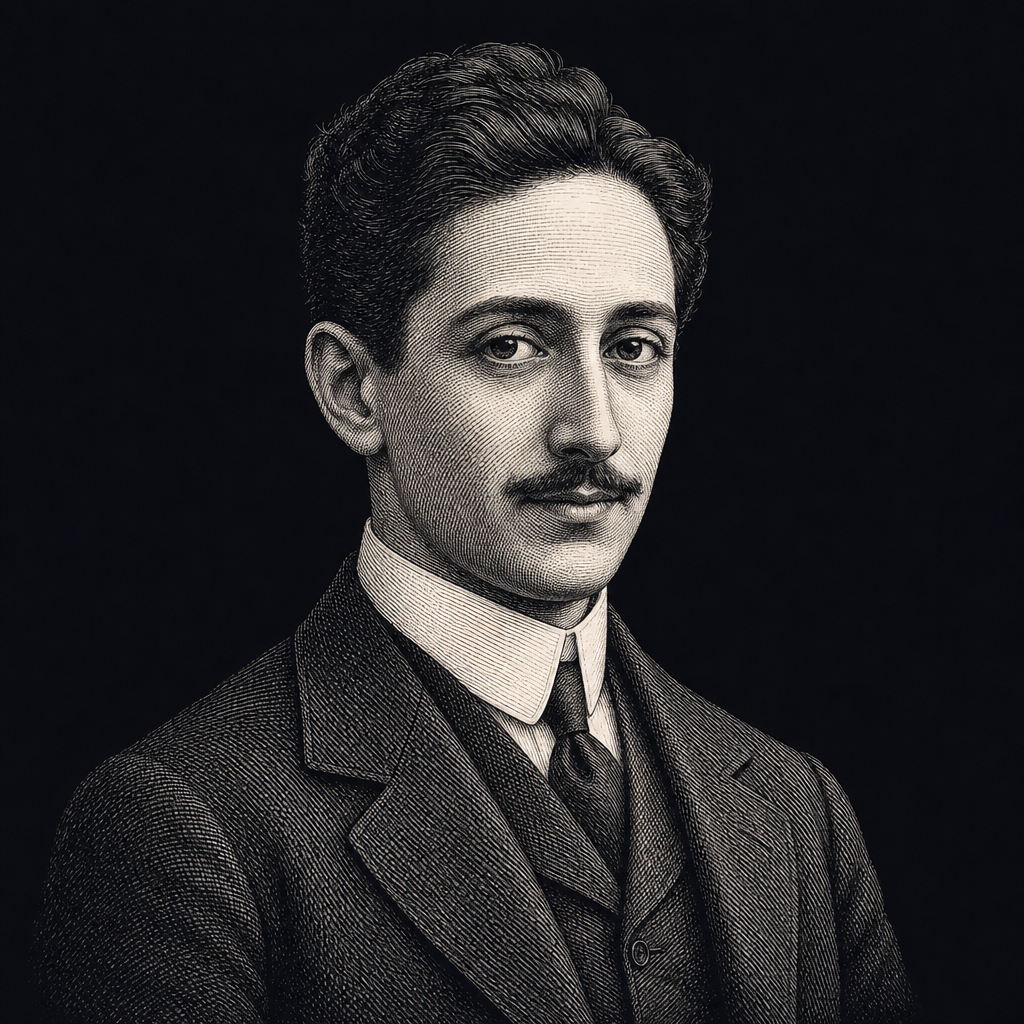
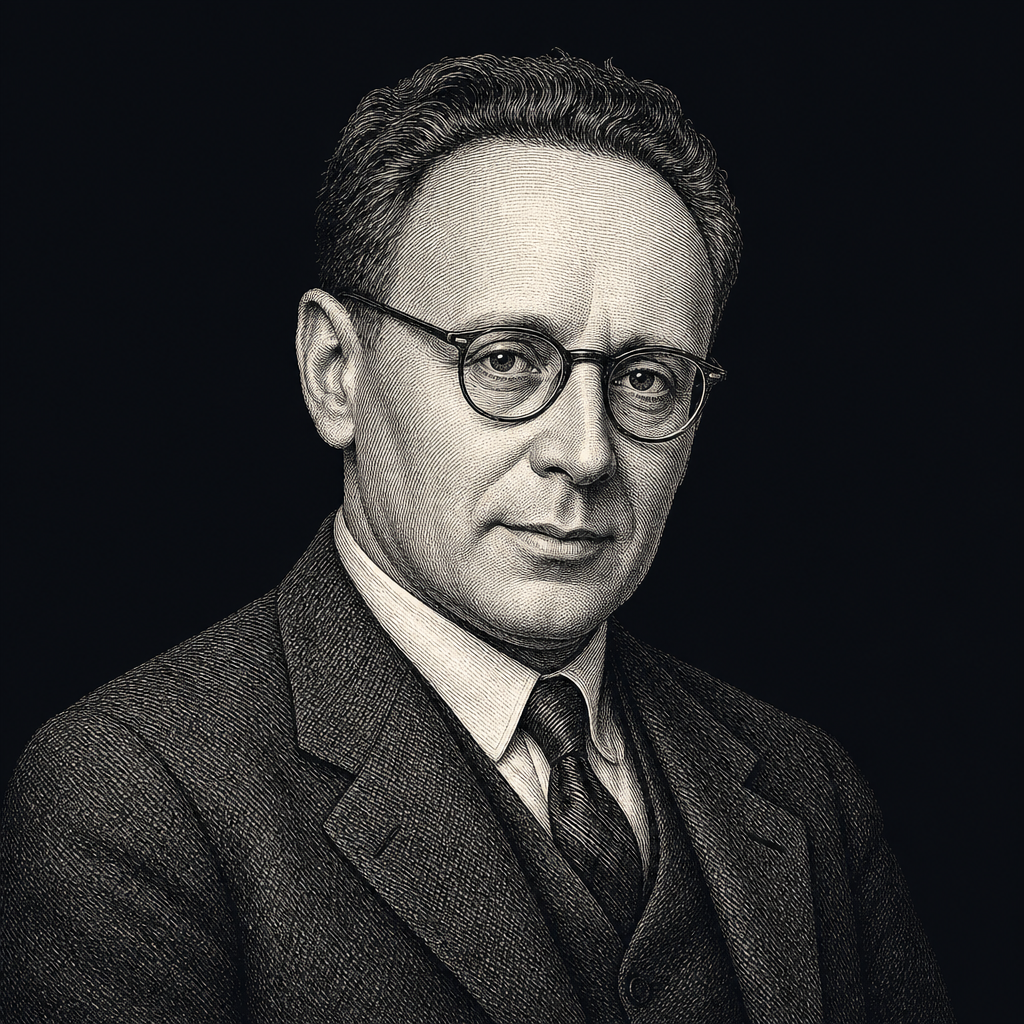
Richard Réti
“The artist of the hypermodern opening”
The Réti Opening, hypermodern theory, and some of the most beautiful endgame studies ever composed
2720Peak ratingChessmetrics historical estimate
Born–died1889–1929
CountryAustria-Hungary / Czechoslovakia
Active era1907–1929
TitleLeading hypermodern master and endgame study composer
Richard Réti was born on May 28, 1889, in Bazin, then in Austria-Hungary (today Pezinok, Slovakia), into a Jewish family. He went to Vienna to study mathematics but, like so many of his generation of masters, gave it up for chess. His early play was sharply combinational — he produced one of the most famous opening miniatures of all time, an eleven-move queen sacrifice against Savielly Tartakower in Vienna in 1910 — before he matured into one of the most original strategic thinkers in the game.
After the First World War, Réti became, with Aron Nimzowitsch, a leading exponent of hypermodern chess. He argued that a player need not occupy the centre with pawns but could control it from the flanks with fianchettoed bishops and well-placed pieces, then strike at the opponent's overextended centre. The opening that bears his name, beginning 1.Nf3 followed by c4 and g3, became the banner of the new school and is still played at the highest level today.
His most celebrated competitive moment came at the great New York tournament of 1924, where he handed World Champion José Raúl Capablanca his first defeat in eight years, a result that stunned the chess world and seemed to vindicate the hypermodern approach. The same event produced his brilliancy-prize win over Efim Bogoljubov, a model demonstration of attacking an overextended centre that remains a teaching staple.
Réti was also one of the greatest composers of endgame studies in history. His studies are renowned for their paradoxical, almost magical economy — most famously the 1921 king-and-pawn study in which a king seemingly too far away to matter catches a runaway pawn by taking a diagonal path, a position that still astonishes players seeing it for the first time. He toured widely, set a world record for blindfold simultaneous play, and wrote the influential books Modern Ideas in Chess and the unfinished Masters of the Chessboard.
His life was cut tragically short. Réti contracted scarlet fever and died in Prague on June 6, 1929, at only 40 years old. Though his tournament career was relatively brief, his influence was vast: the opening, the studies, and the books together make him one of the defining figures of inter-war chess and a permanent name in the language of the game.
Playing style
Réti combined a sharp combinative eye with profound strategic originality. He pioneered the hypermodern idea of controlling the centre from afar — fianchettoing bishops, inviting the opponent to advance pawns, and then dismantling that centre with pieces from the wings. His games often look quiet for many moves before a precise positional or tactical stroke decides matters, and his finishes could be astonishingly elegant. As a study composer he sought maximum effect from minimum material, turning the endgame into an art form.
Signature openings
“I prefer to lose a really good game than to win a bad one.”
— Richard Réti, widely attributed in chess literature
Rivalries & key opponents
- José Raúl Capablanca
- Alexander Alekhine
- Efim Bogoljubov
- Savielly Tartakower
Career highlights
- Defeated World Champion Capablanca at New York 1924 — Capablanca's first loss in eight years
- Won the first brilliancy prize at New York 1924 for his game against Bogoljubov
- Pioneered and gave his name to the Réti Opening
- Composed some of the most famous endgame studies ever, including the 1921 king-and-pawn study
- Set a world record for blindfold simultaneous chess
- Authored Modern Ideas in Chess, a landmark survey of chess thought
- A founding figure, with Nimzowitsch, of the hypermodern school
- Won numerous strong tournaments across Europe in the 1920s
Famous games on BetterChess
Réti vs Bogoljubov (1924)
Richard Réti vs Efim Bogoljubov · 1924 · Réti / English Opening
Replay & play ›Réti vs Alekhine (1925)
Richard Réti vs Alexander Alekhine · 1925 · Réti Opening
Replay & play ›Réti vs Tartakower (1910)
Richard Réti vs Savielly Tartakower · 1910 · Caro-Kann Defence
Replay & play ›More players





Biographical summary compiled by BetterChess. BetterChess is a practice tool — we make no guarantee you'll reach 1800 or any rating.
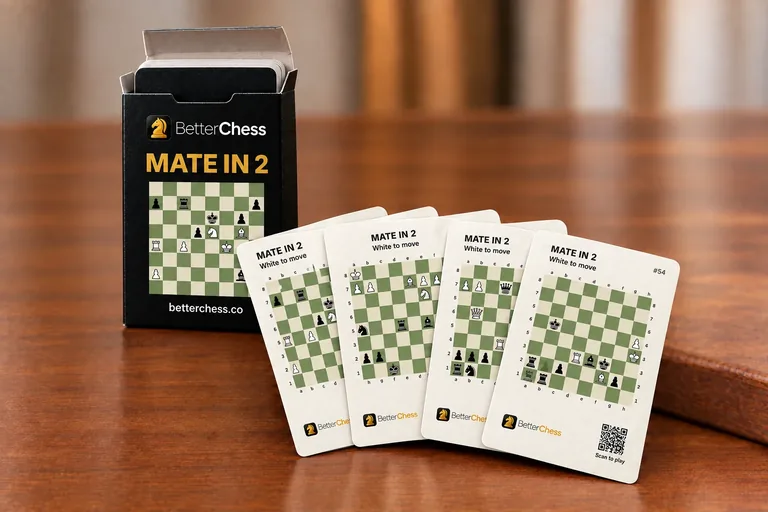
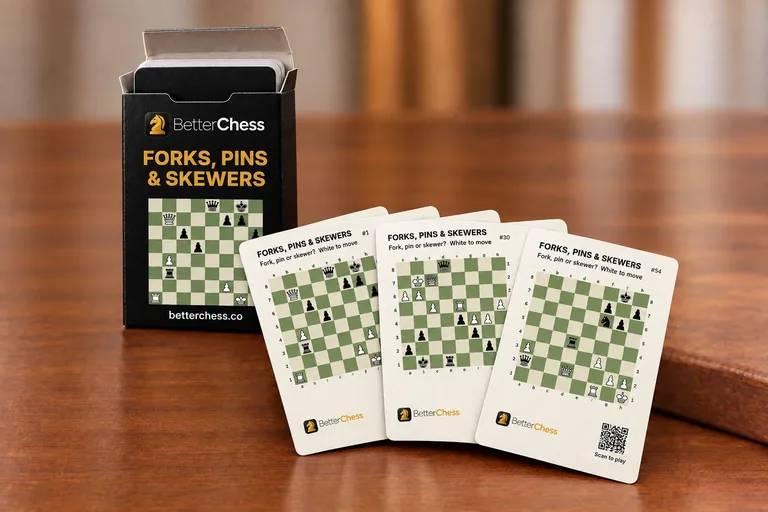
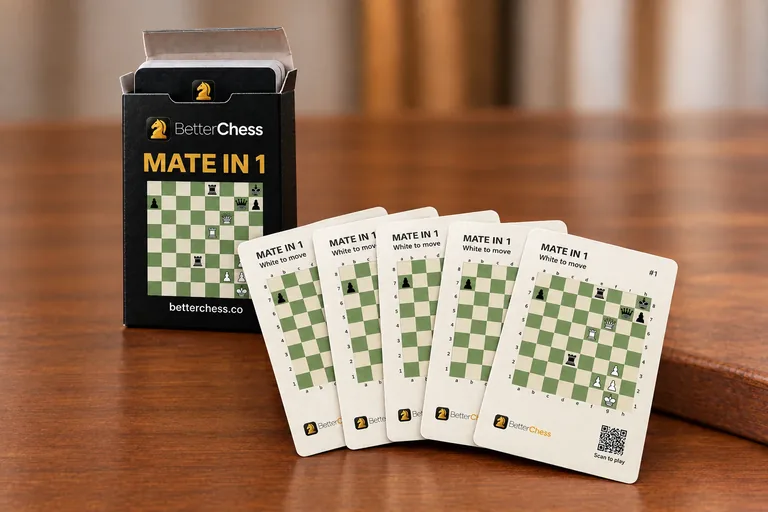
PRINTED CHESS PUZZLE CARDS
Chess puzzle playing card decks
54 poker-size cards in a tuck box. Puzzle on the front, solution on the back.