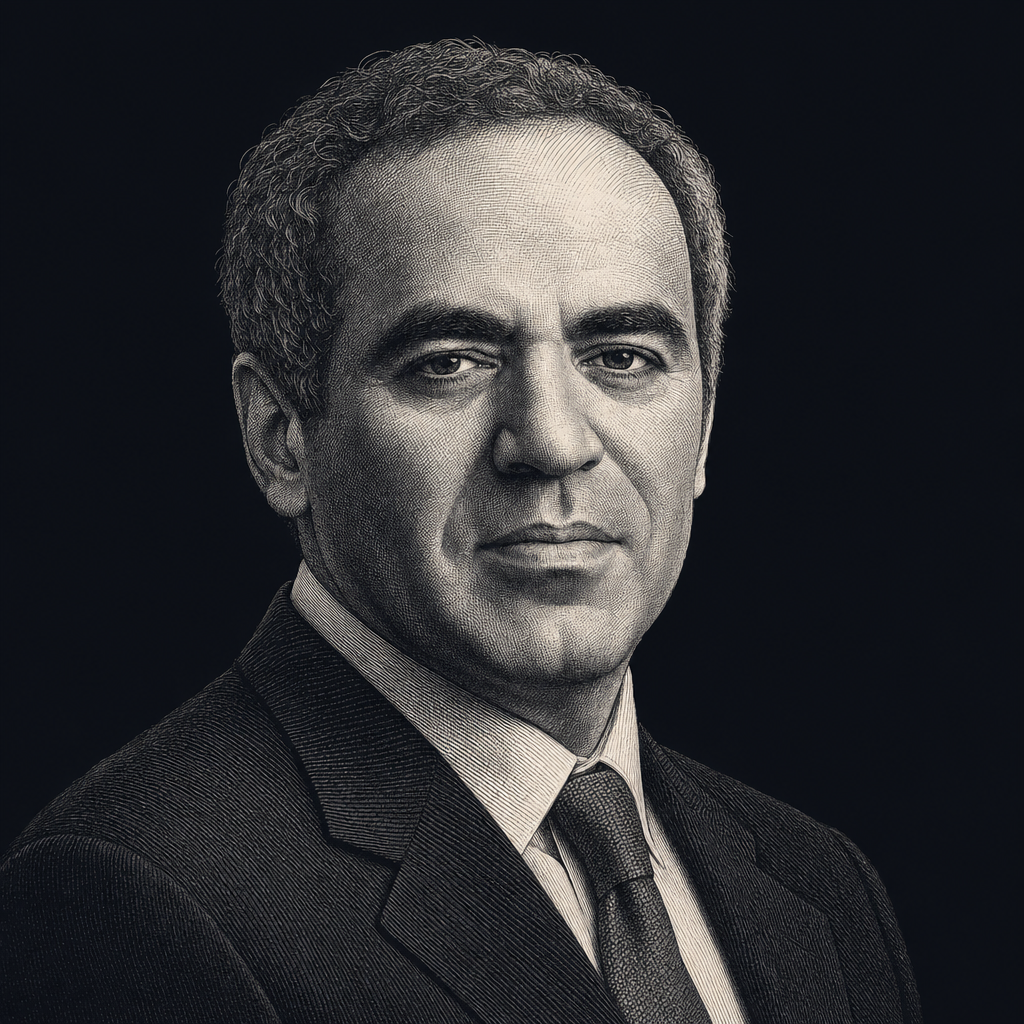
Garry Kasparov
“The Beast of Baku”
Becoming the youngest undisputed World Champion at 22 and dominating elite chess for two decades.
2851Peak ratingpeak FIDE rating (1999)
World #11984–1993, 1995–2006
Born1963–present
CountrySoviet Union / Russia (born Baku, Azerbaijan)
Active erac. 1976–2005
Title13th World Champion (1985–2000)
Garry Kasparov was born Garik Weinstein on 13 April 1963 in Baku, in what was then the Soviet republic of Azerbaijan. He learned chess by watching his parents solve a newspaper problem at the age of five or six, and his prodigious talent was quickly recognised. After his father's early death, he adopted a Russified form of his mother Klara's surname, Kasparian, becoming Kasparov. He trained at the school of former World Champion Mikhail Botvinnik, who became a decisive influence on his rigorous, deeply prepared approach to the game.
Kasparov rose with astonishing speed through the Soviet system. He won the Soviet Junior Championship as a young teenager, earned the grandmaster title in 1980, and by 1984 had risen to the world's No. 1 position — a ranking he would hold for a record 255 months in total. His ascent set up a confrontation with the reigning champion and fellow Soviet, Anatoly Karpov, that would define an era of chess.
The first Karpov–Kasparov match in 1984–85 became the longest title match in history and was controversially halted without result by FIDE President Florencio Campomanes after 48 games, with Karpov ahead but visibly exhausted. In the 1985 rematch Kasparov won 13–11 to become, at 22, the youngest undisputed World Champion ever — a record that stood until 2024. He went on to defend the title against Karpov three more times, in 1986, 1987 (drawn 12–12, retaining the crown), and 1990, the two men playing 144 championship games against each other across five matches.
In 1993 Kasparov broke with FIDE over money and organisation, founding the rival Professional Chess Association and defending his title outside FIDE's auspices against Nigel Short. This split the world championship for over a decade. He also became the public face of the contest between human and machine: he defeated IBM's Deep Blue 4–2 in Philadelphia in 1996, then lost the 1997 New York rematch 3½–2½, the first time a reigning World Champion was beaten in a match by a computer under tournament conditions.
Kasparov finally lost his classical title in 2000 to his former pupil Vladimir Kramnik, who beat him without losing a single game. He continued to dominate tournament play and remained the world's top-rated player until his retirement from professional chess in 2005, after which he turned to writing and to pro-democracy political activism in Russia. He is widely regarded as one of the two or three greatest players in the history of the game, and his multi-volume works such as 'My Great Predecessors' are landmarks of chess literature.
Playing style
Kasparov combined ferocious dynamism with the deepest opening preparation the game had ever seen. He fought for the initiative from the first move, welcoming sharp, unbalanced positions where his superior calculation and home analysis could overwhelm opponents. Famous for unleashing prepared novelties deep into theoretical lines, he played with relentless energy and an almost intimidating will to win, prizing piece activity and attacking chances over material or comfort.
Signature openings
Sicilian Defence (Najdorf and Scheveningen as Black)King's Indian DefenceGrünfeld DefenceRuy Lopez (as White)Queen's Gambit / 1.d4 systems
“The public must come to see that chess is a violent sport. Chess is mental torture.”
— Quoted in Martin Amis's review of 'Kasparov–Short' by Raymond Keene, Independent on Sunday, 1995
Rivalries & key opponents
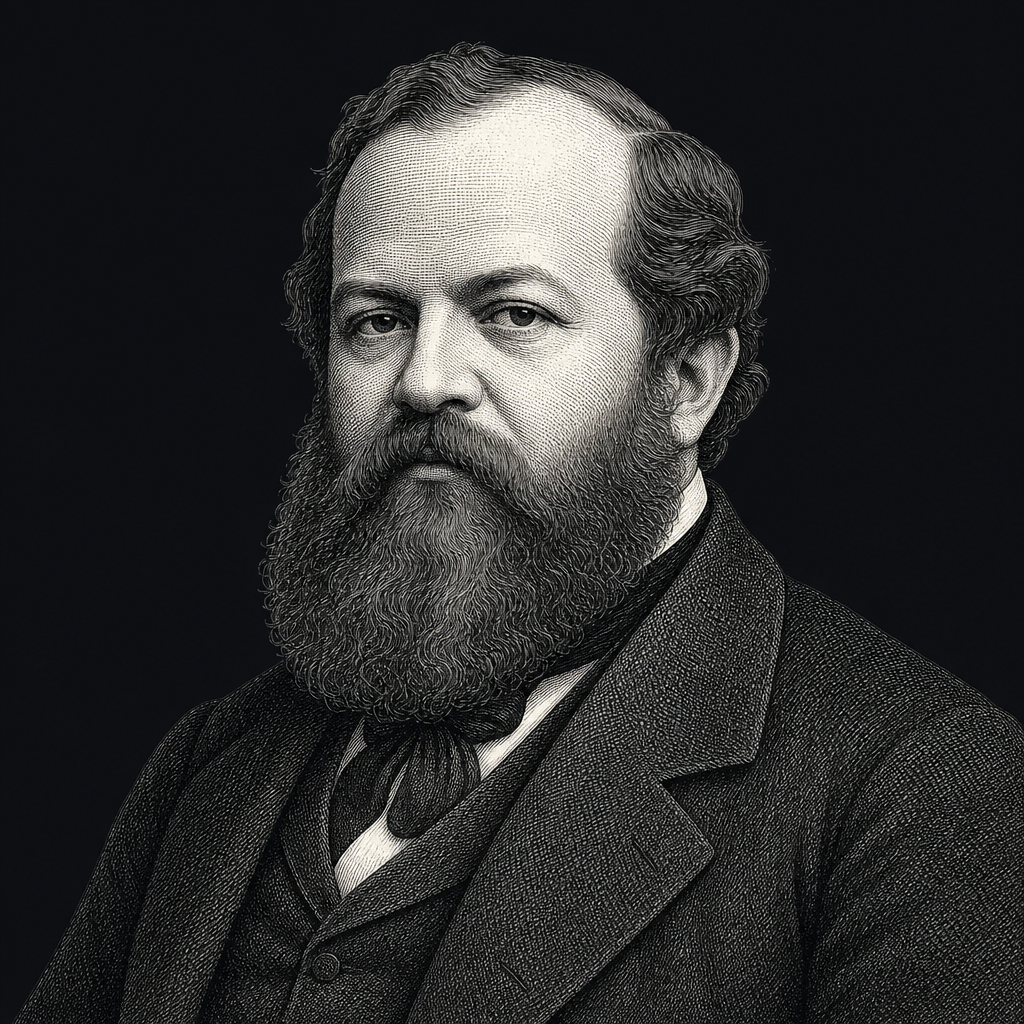
- Anatoly Karpov
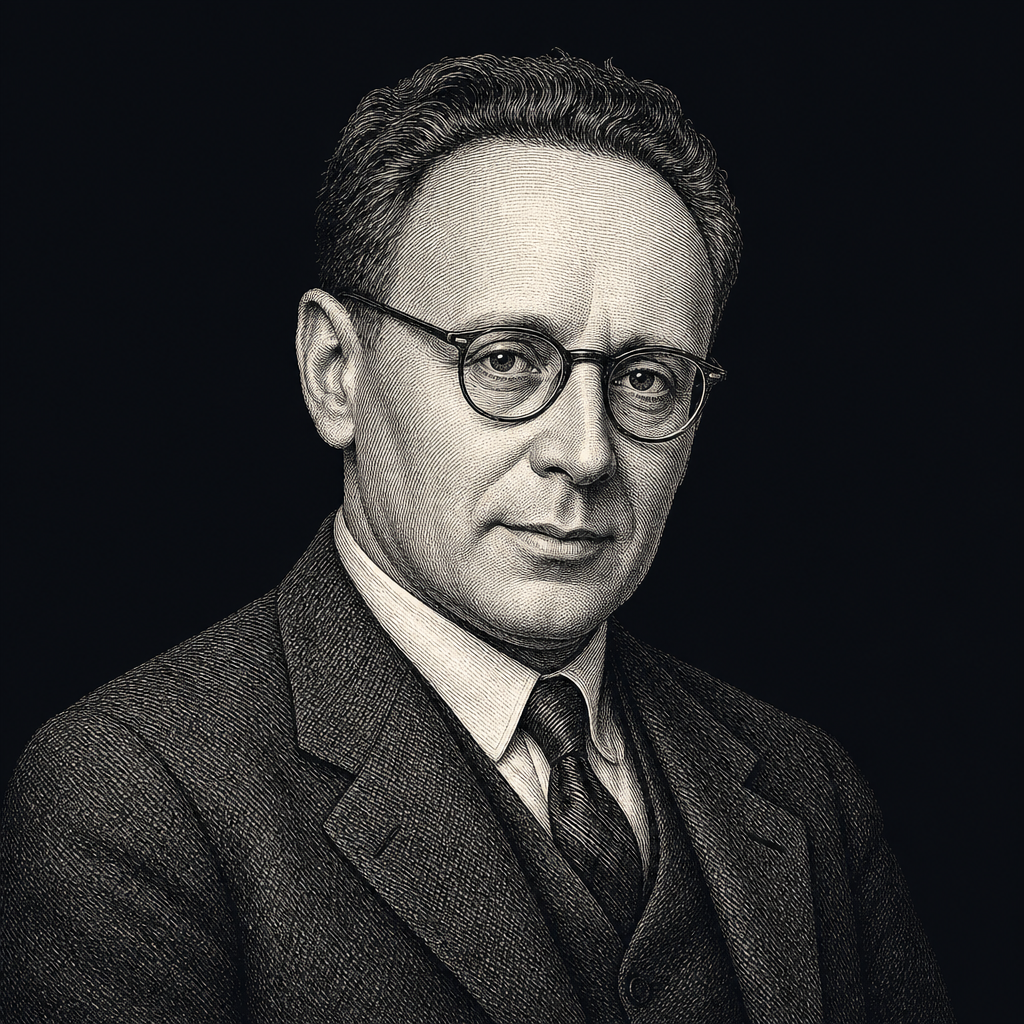
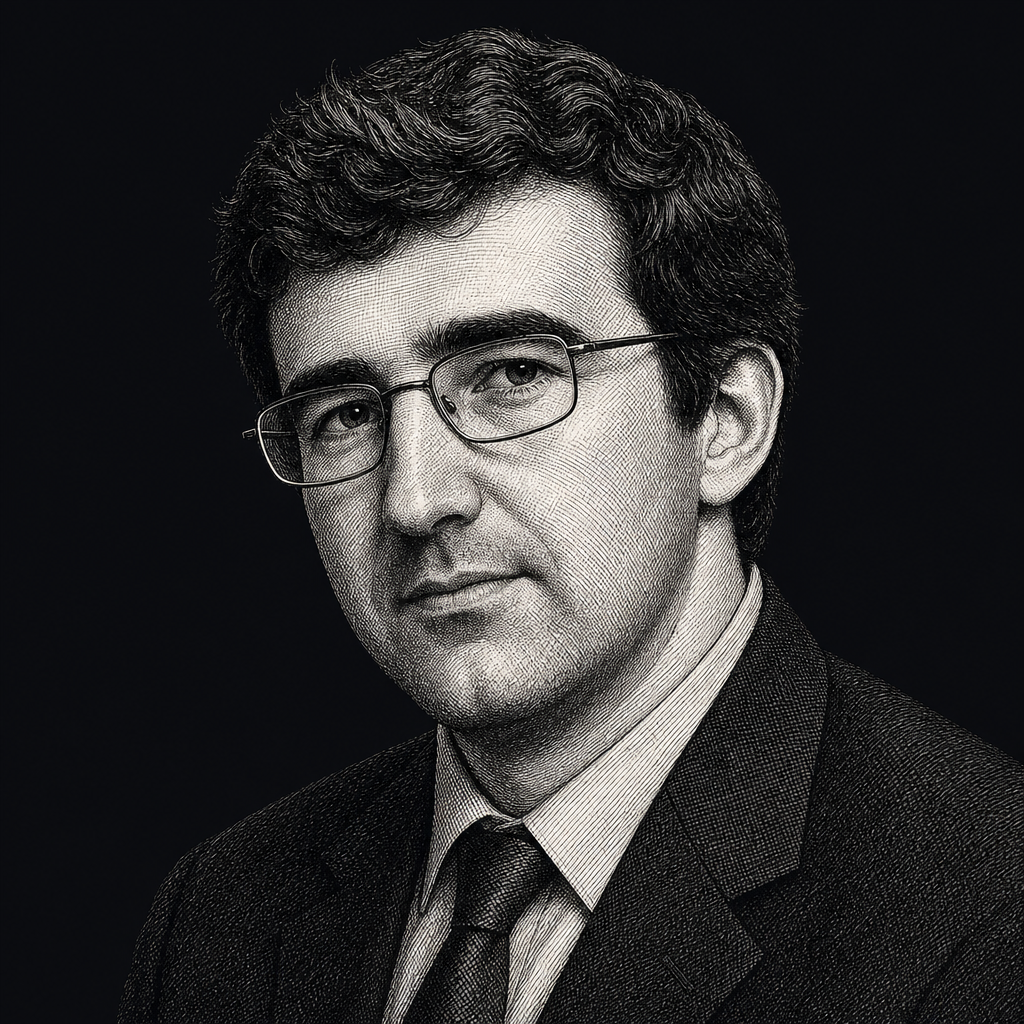
- Vladimir Kramnik
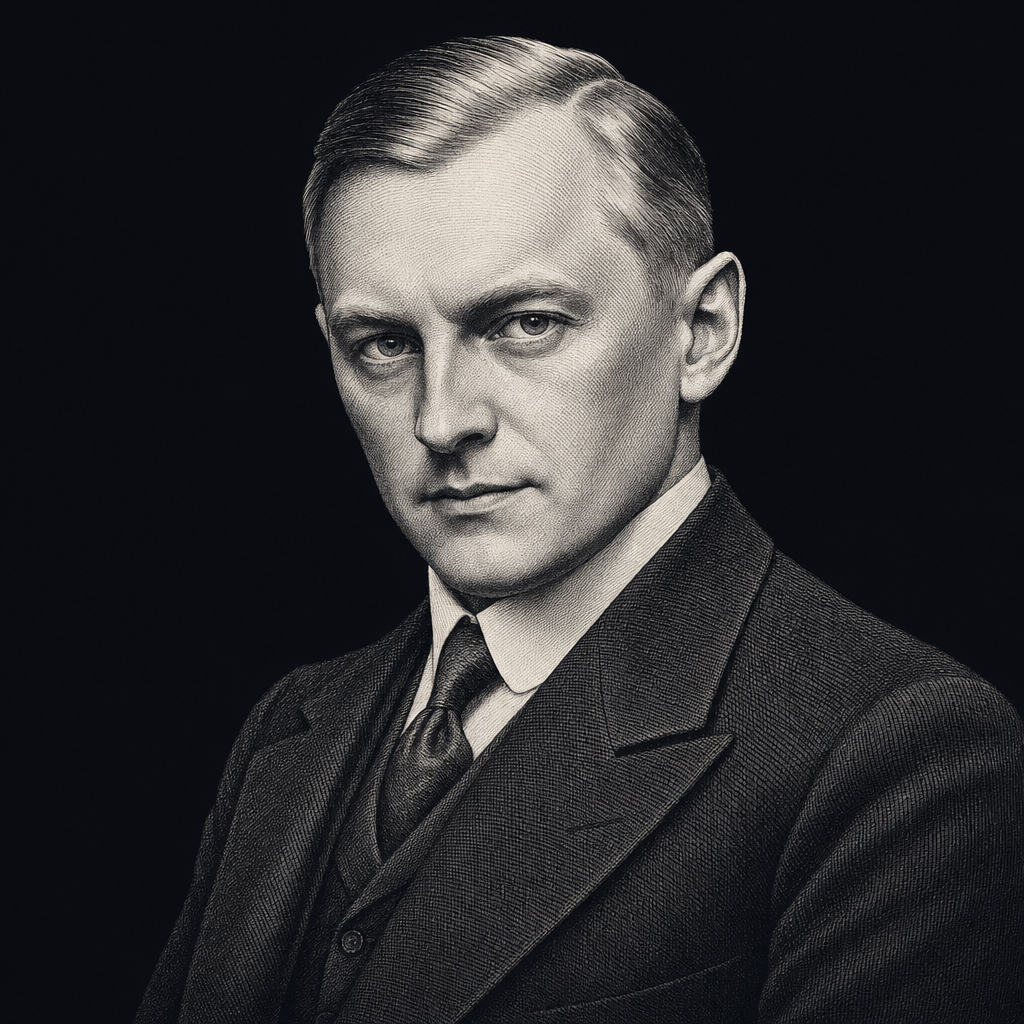
- Nigel Short
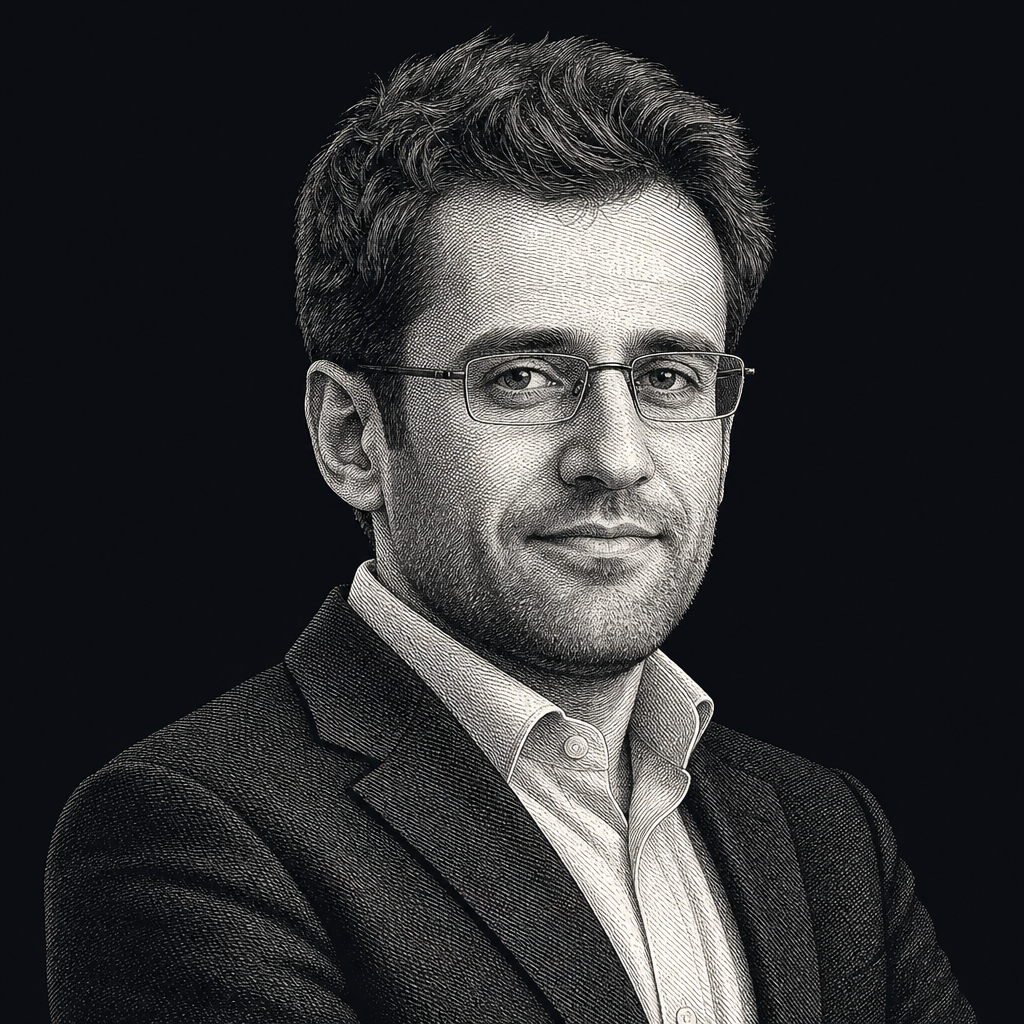
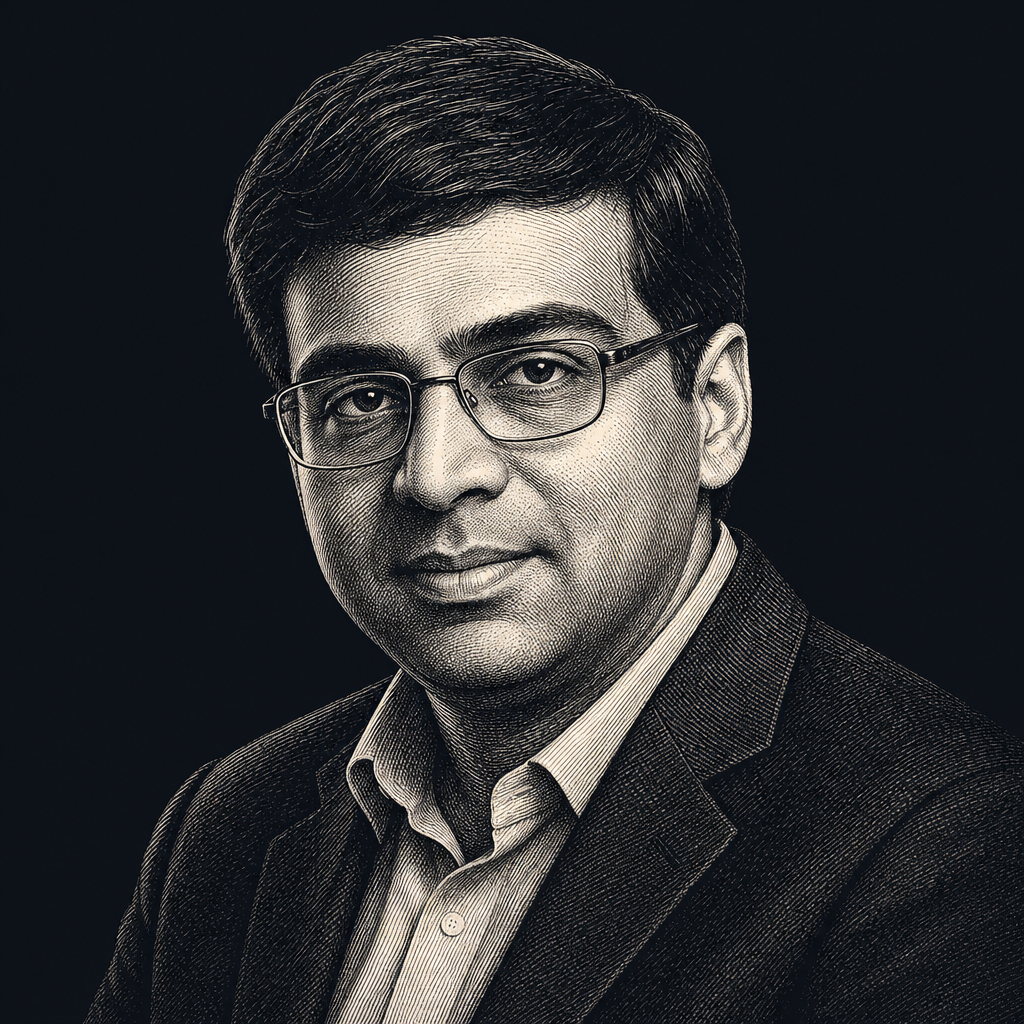
- Viswanathan Anand
Career highlights
- Won the World Championship from Anatoly Karpov to become the youngest undisputed champion at age 22 (1985)
- Defended the title against Karpov in 1986, 1987, and 1990
- World No. 1 for a record 255 months between 1984 and 2006
- Achieved a peak FIDE rating of 2851 (1999), the highest in history until Carlsen
- Defeated IBM's Deep Blue 4–2 (1996) before losing the rematch 3½–2½ (1997)
- Won a record 11 Chess Oscars and 15 consecutive elite tournaments
- Authored the acclaimed 'My Great Predecessors' series after retiring in 2005
Famous games on BetterChess
Kasparov's Immortal (1999)
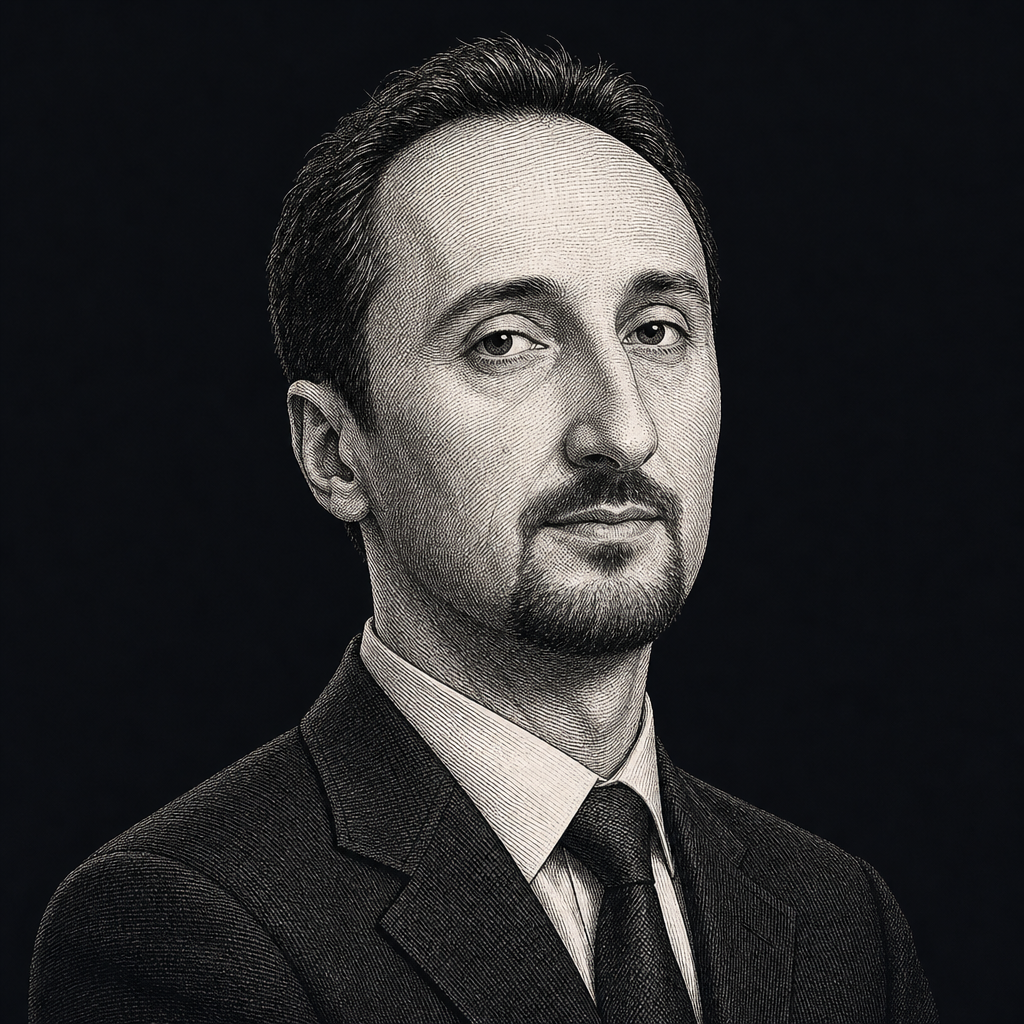
Garry Kasparov vs Veselin Topalov · 1999 · Pirc Defence
Replay & play ›Kasparov's Octopus Knight (1985)
Anatoly Karpov vs Garry Kasparov · 1985 · Sicilian Defence
Replay & play ›Kasparov Wins the Crown (1985, Game 24)
Anatoly Karpov vs Garry Kasparov · 1985 · Sicilian Defence, Scheveningen
Replay & play ›Kramnik Cracks the Grünfeld (2000, Game 2)
Vladimir Kramnik vs Garry Kasparov · 2000 · Grünfeld Defence, Exchange
Replay & play ›Polgar Beats Kasparov (2002)
Judit Polgar vs Garry Kasparov · 2002 · Ruy Lopez, Berlin Defence
Replay & play ›More players
Biographical summary compiled by BetterChess. BetterChess is a practice tool — we make no guarantee you'll reach 1800 or any rating.
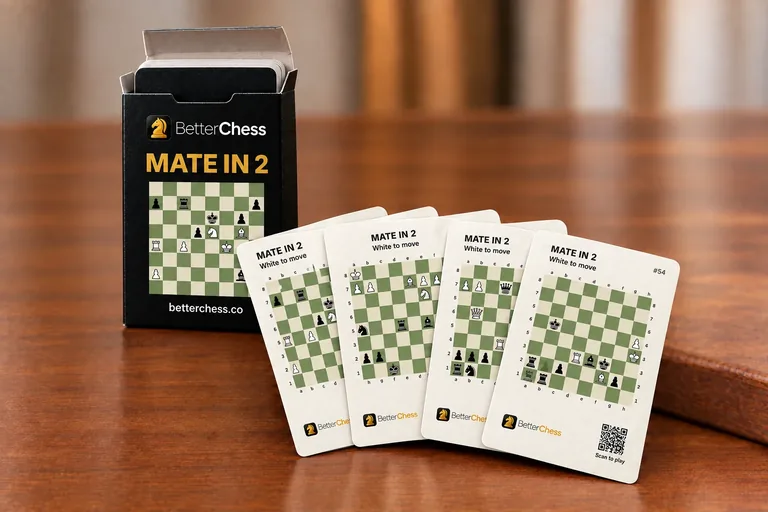
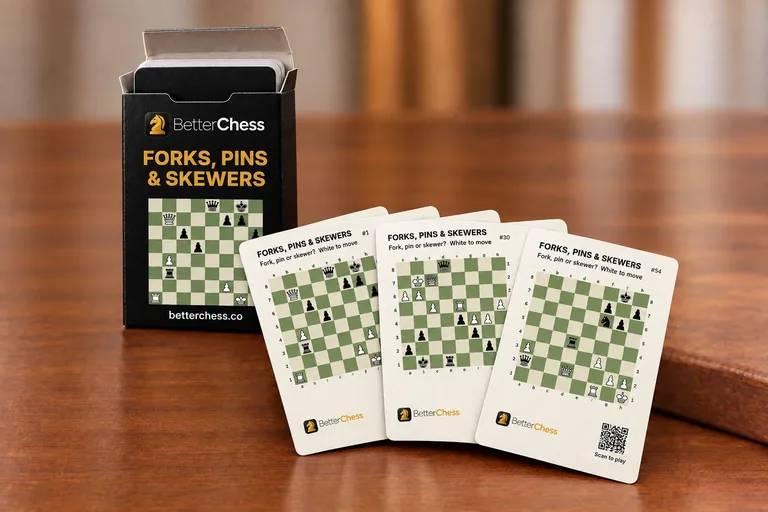
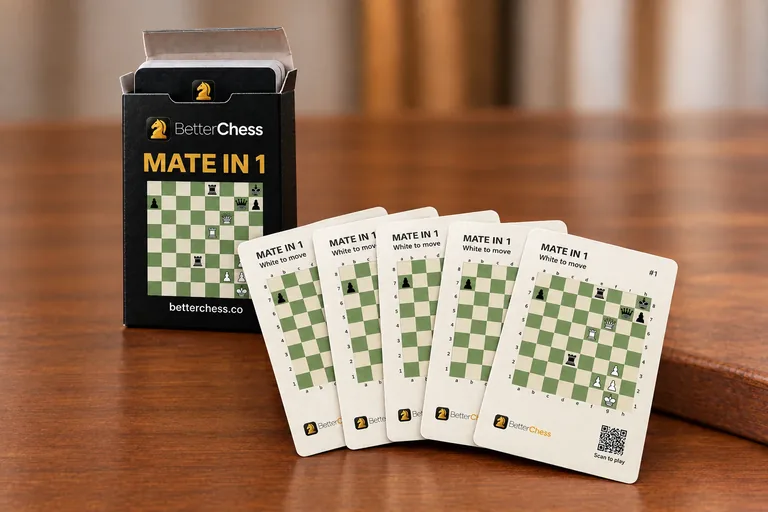
PRINTED CHESS PUZZLE CARDS
Chess puzzle playing card decks
54 poker-size cards in a tuck box. Puzzle on the front, solution on the back.