




Because an opening you memorised does not tell you what is attacking what on this board. BetterChess is a connector for Claude, Anthropic's AI assistant — it computes the position with a real chess engine and hands Claude every attacker, defender and evaluation as fact. So Claude explains your game instead of guessing at it.
“The Fried Liver — knight and bishop both hit f7. White wins material.”
Ng5 hangs the knight. g5 is undefended and the queen on d8 already covers it. Qxg5.
The same position, in a real game against a chess.com bot — caught mid-game, not explained afterwards. Every evaluation on screen is what the connector actually returned.
A connector is something you add to Claude once so it can use an outside tool. Other chess plugins want Node, Stockfish, a C library and a config file you edit by hand. This is a link and your BetterChess login — pasted into Claude's settings, working a minute later, on the free Claude plan and on your phone.
Paste mcp.betterchess.co into Claude's connector settings and sign in. No terminal, no config file, no desktop app required.
An engine tells you a move is bad. This tells you why — which piece, which square, what it gave up — and keeps explaining until it lands.
Every claim about an attack, a defender or an evaluation is computed from the board and handed to Claude as fact. Guessing is designed out, not asked for.
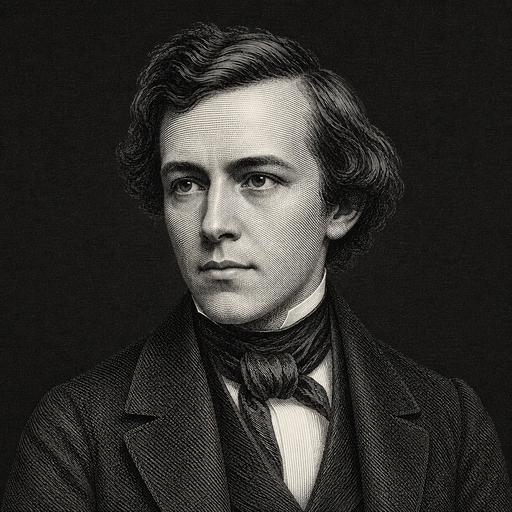
Still unsure? Play Morphy's Opera Game live — no account, no card.
Claude is an AI assistant made by Anthropic. You type a question, it answers — like texting someone very well read. Millions of people use it every day for writing and code. It is free to start, and it is very good at explaining things patiently, in as many different ways as it takes.
What Claude is not good at, on its own, is chess. No language model is. Ask one about a position and it will describe a board it half-remembers: a knight that is not there, a pin that does not exist, a confident evaluation of nothing. It sounds exactly as sure when it is wrong as when it is right, which is the worst possible property in a coach.
That is the gap BetterChess closes. The connector runs a real chess engine on your actual position and hands Claude the facts before it speaks — which pieces attack which squares, what is hanging, what the engine scores each move at. Claude stops recalling and starts reading. You get engine accuracy with a teacher's patience, which is a combination that has not previously existed: engines are right but silent, and coaches are articulate but cost $60 an hour.
And because it is Claude doing the talking, you can argue with it. Ask why. Say “I still don't get it.” Ask it to explain the same idea for a 1200 instead of a 1800. It will re-check the board and try again, at three in the morning, for as long as you want.
Paste a position, a PGN, or the moves so far, and say what you want. Claude chooses the tool. These four cover almost everything people use it for.
The one people use most. You get the top moves with real evaluations, whose turn it is, what is undefended and exactly what attacks it — then Claude explains which of those actually matters.
Ask before you move and you find out that the knight lands undefended and the queen is already looking at it — a whole piece, one move away. This is the question that changes your rating.
Not forty small inaccuracies. The two moves that decided it, what you should have played, and why you did not see it.
The part no engine does. Claude re-reads the board and explains it a different way, as many times as you need, without ever getting bored of you.
Full walkthrough in the docs, including the one rule: never for a live game against a person.
The difference between this and asking Claude about chess without it is not politeness or phrasing. It is that one of them can see the board.
Before Claude says a word, the position is computed — legal moves, evaluations, every attacker and defender. Claude reads that. It is not recalling a game it once saw described.
Ask which squares the knight on f3 actually covers and you get the list, computed. This is the tool that stops confident nonsense about pins, forks and discovered attacks that are not on the board.
If a later check contradicts something Claude already told you, it is instructed to say so plainly and fix it. A coach that quietly keeps being wrong is worse than no coach.
Start free instead: add the connector with no card and use it every day on a daily analysis budget. The cap tends to land mid-question — and that is the moment you find out whether unlimited is worth $5.99 to you.
The greatest games in history, explained move by move. Then take the board and play it live against the engine, right in your browser.