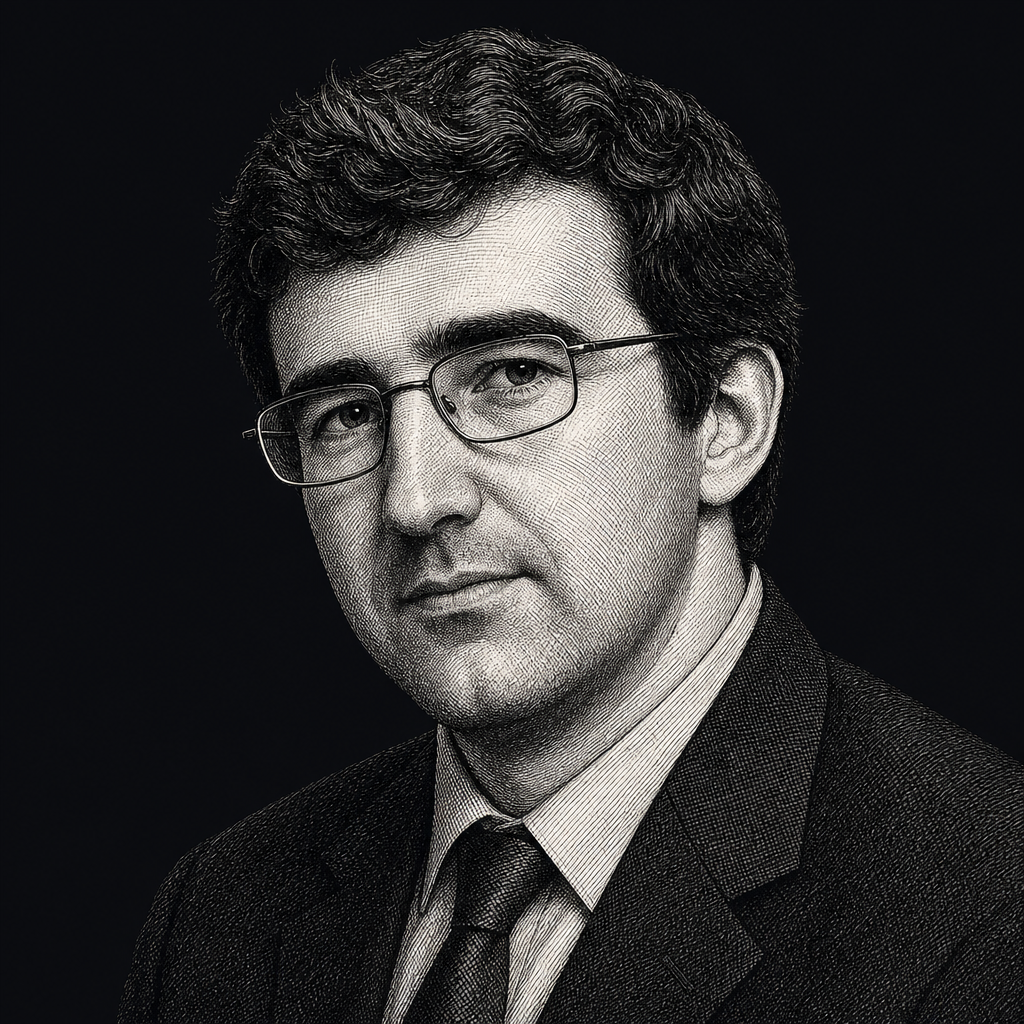
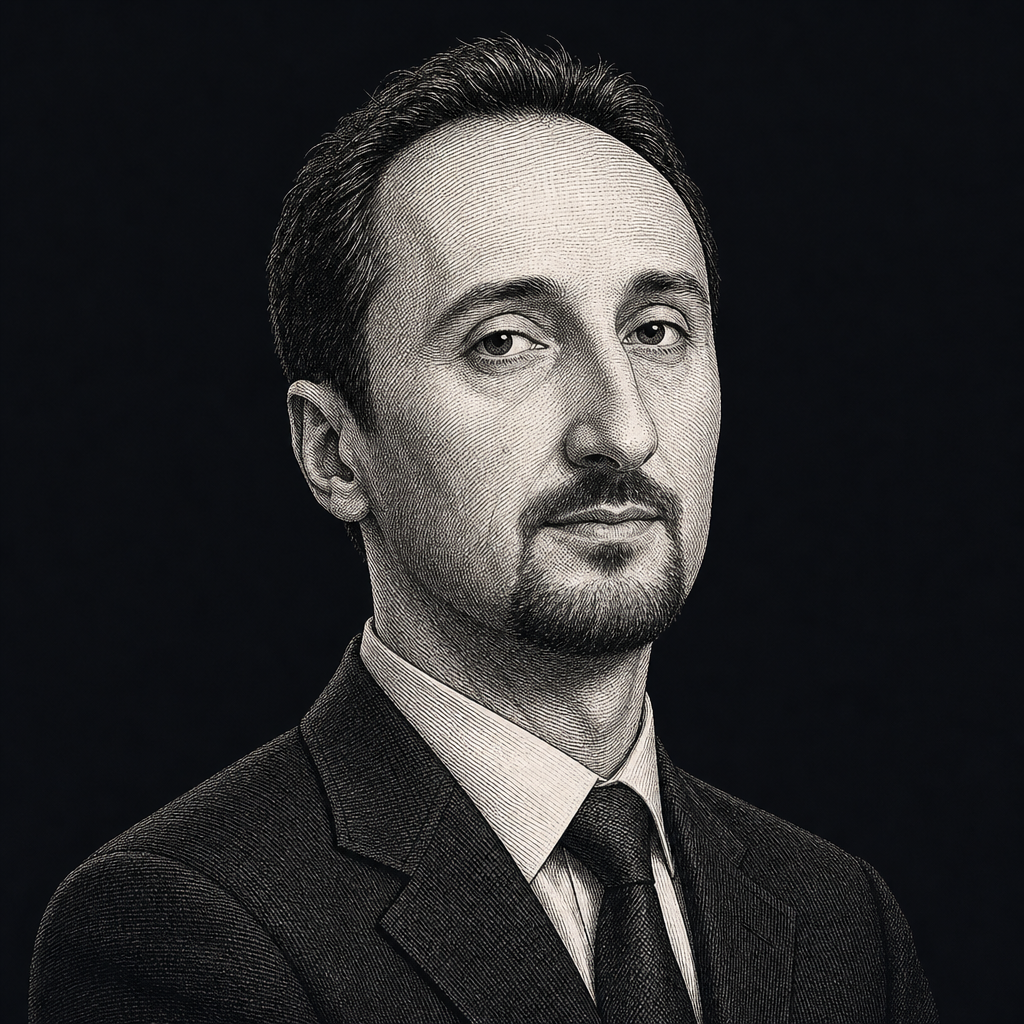
Vladimir Kramnik
“The man who dethroned Kasparov”
Defeating Garry Kasparov in 2000 and later unifying the World Championship in 2006
2817Peak ratingpeak FIDE rating (2016)
World #12000s (intermittently)
Born1975–present
CountryRussia
Active era1991–2019
Title14th World Champion (2000–2007)
Vladimir Borisovich Kramnik was born on June 25, 1975, in Tuapse, on Russia's Black Sea coast, into a family of artists. A product of the Botvinnik–Kasparov chess school, he burst onto the international scene as a teenager, and his stunning debut for Russia at the 1992 Olympiad — where he scored 8½/9 — announced him as a generational talent.
Through the 1990s Kramnik rose to the very top of the rating list and built a reputation as one of the few players capable of consistently holding and beating Garry Kasparov. Renowned for his deep opening preparation and his profound understanding of strategic positions, he was widely seen as the natural heir to the classical tradition of Soviet chess.
His greatest moment came in London in 2000, when he challenged Kasparov for the Classical World Championship. Deploying the resilient Berlin Defence to neutralise White and striking with new ideas of his own, Kramnik won the match without losing a single game, ending Kasparov's fifteen-year reign. It remains one of the most impressive match performances in chess history.
Kramnik defended his title against Peter Leko in 2004 and then, crucially, against the FIDE champion Veselin Topalov in a 2006 reunification match in Elista, becoming the first undisputed World Champion since the title had split in 1993. He lost the unified crown to Viswanathan Anand at the 2007 tournament in Mexico City but remained a top-five player for years afterward.
After a long career at the elite level, Kramnik retired from classical chess in 2019 to focus on promoting the game, mentoring young players, and exploring the relationship between chess and artificial intelligence. He is remembered as a deep strategist, a great champion, and the man who finally toppled Kasparov.
Playing style
Kramnik was a profound positional player and one of the deepest opening theoreticians of his generation. He excelled at squeezing tiny advantages in quiet positions and at neutralising aggressive opponents through superior preparation and prophylaxis — his use of the Berlin Defence against Kasparov reshaped top-level opening theory. Though sometimes seen as a solid, drawish player, at his best Kramnik was a powerful attacker and a brilliant endgame technician, with a classical, harmonious understanding of the game inherited from the Soviet school.
Signature openings
“I think that in chess everything depends on the position.”
— Vladimir Kramnik, widely attributed
Rivalries & key opponents
- Garry Kasparov
- Viswanathan Anand
- Veselin Topalov
- Peter Leko
Career highlights
- Scored 8½/9 on his Olympiad debut for Russia (1992)
- Defeated Garry Kasparov to win the Classical World Championship without losing a game (2000)
- Defended the Classical title against Peter Leko (2004)
- Won the reunification match against Veselin Topalov to become undisputed champion (2006)
- Multiple Chess Olympiad gold medals with the Russian team
- Won many of the strongest tournaments of his era, including Dortmund repeatedly
- Reached a peak FIDE rating of 2817
- Held the Classical/undisputed World Championship from 2000 to 2007
Famous games on BetterChess
More players
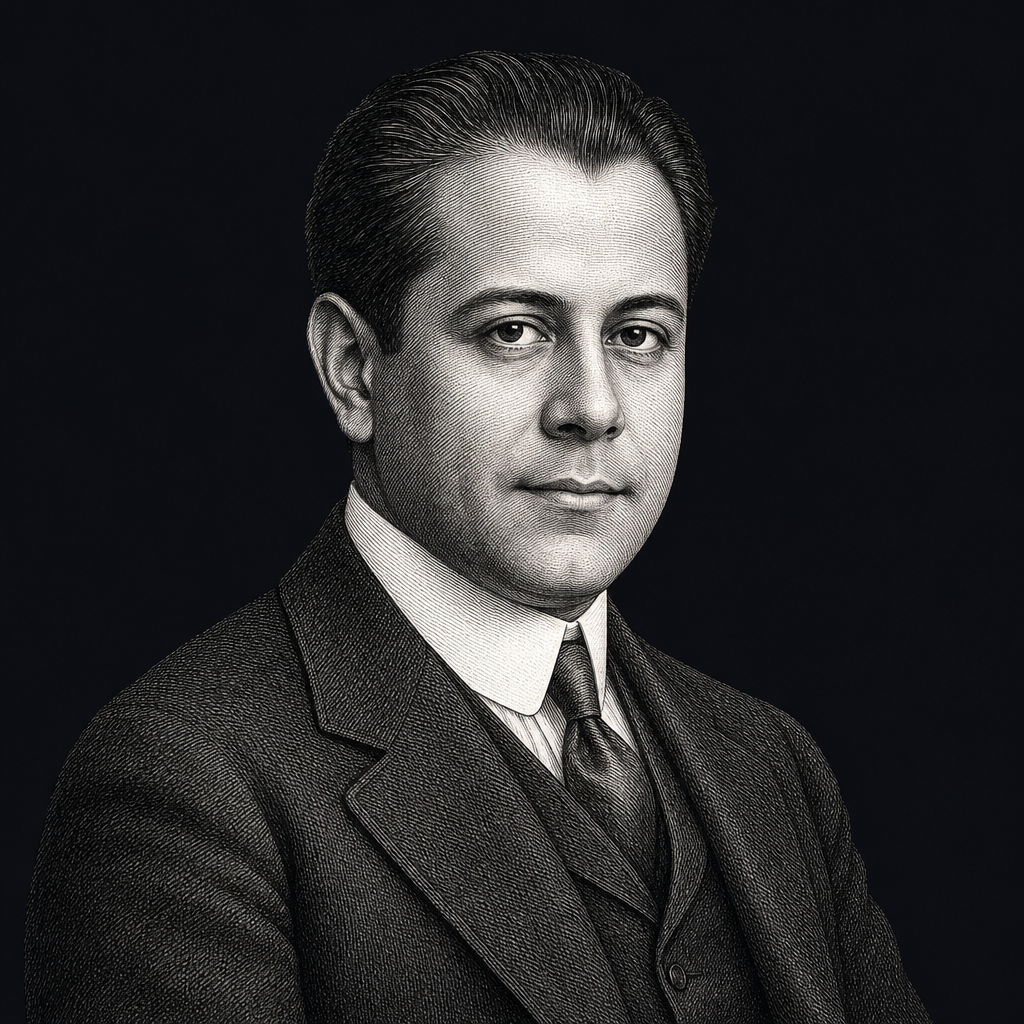
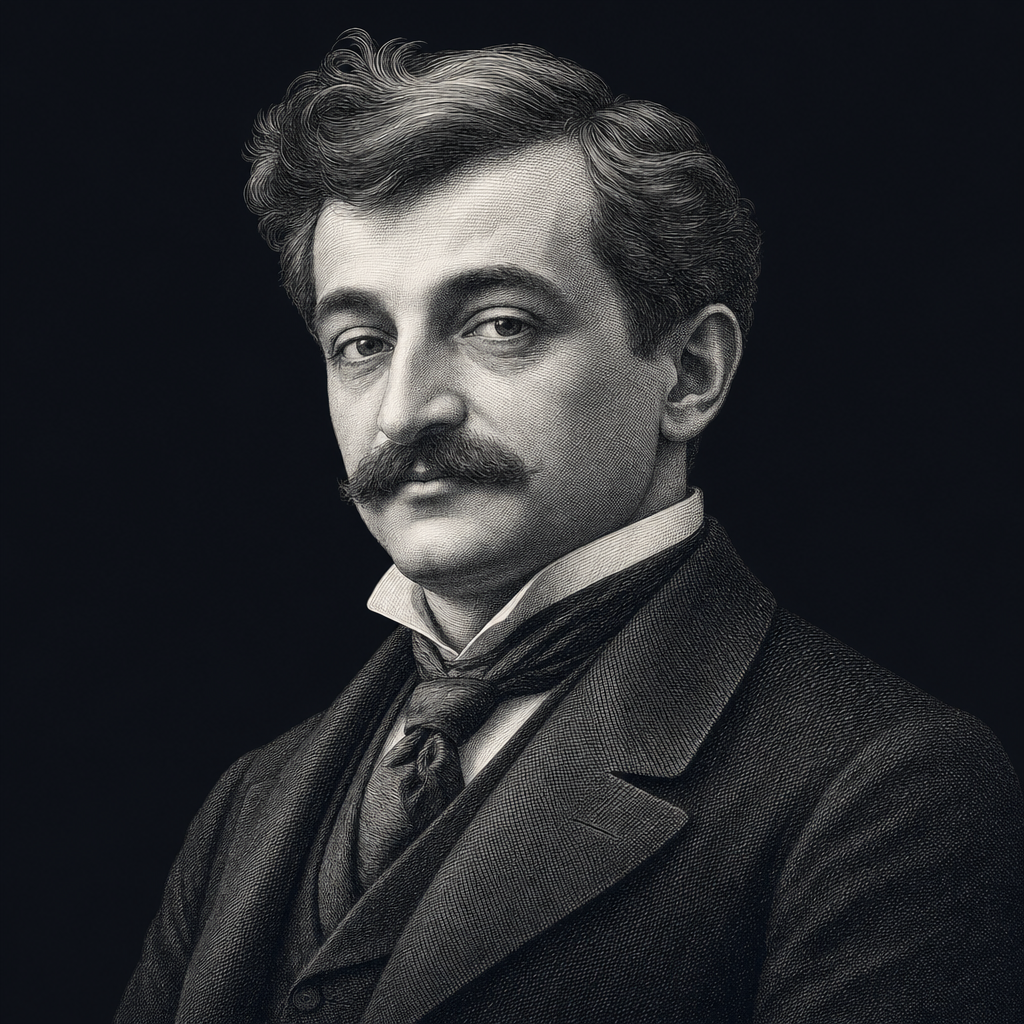

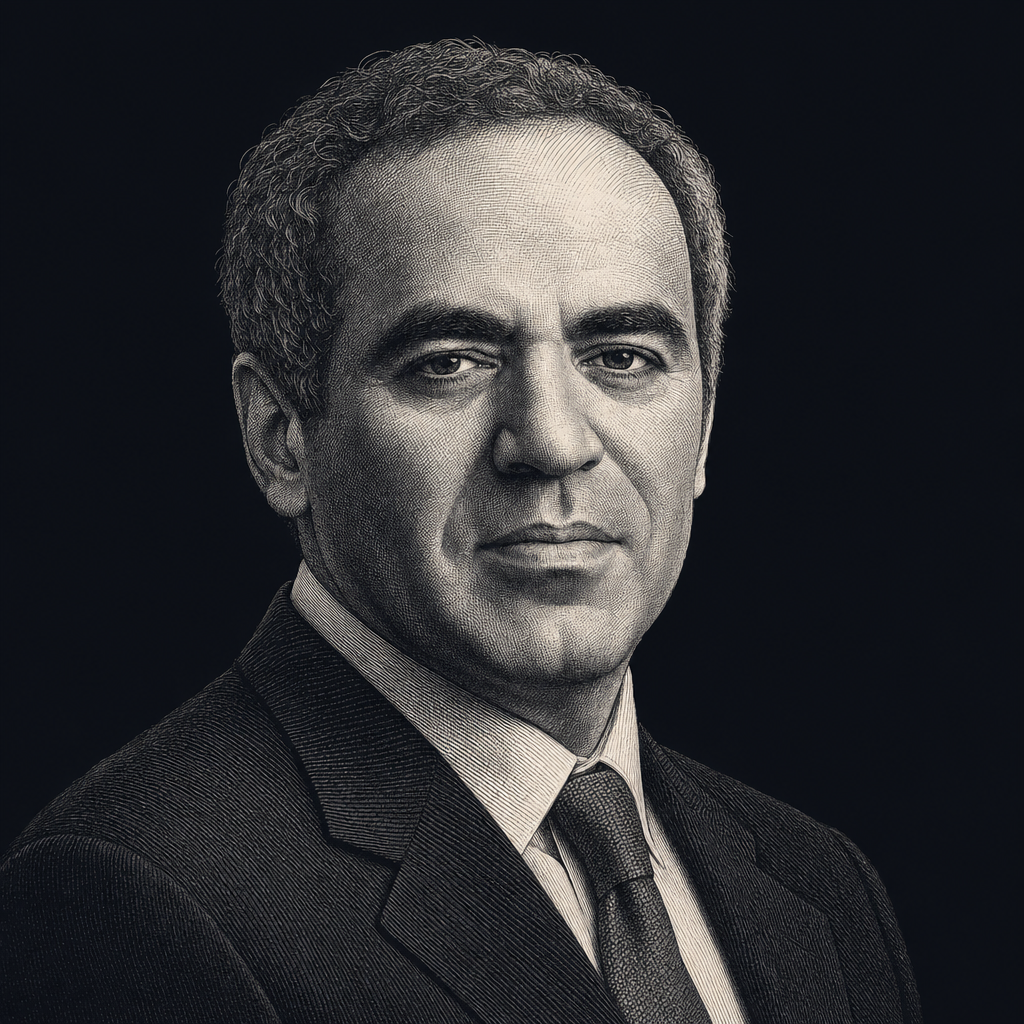
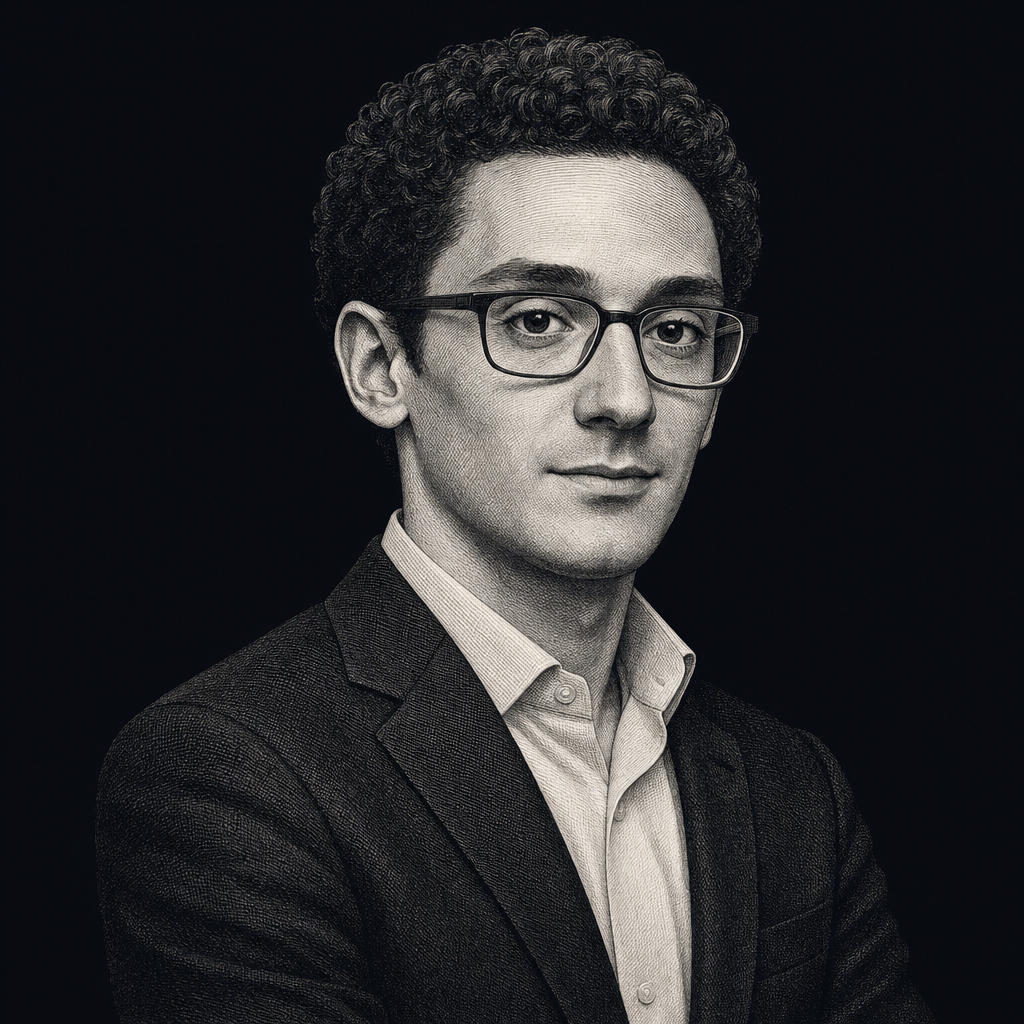
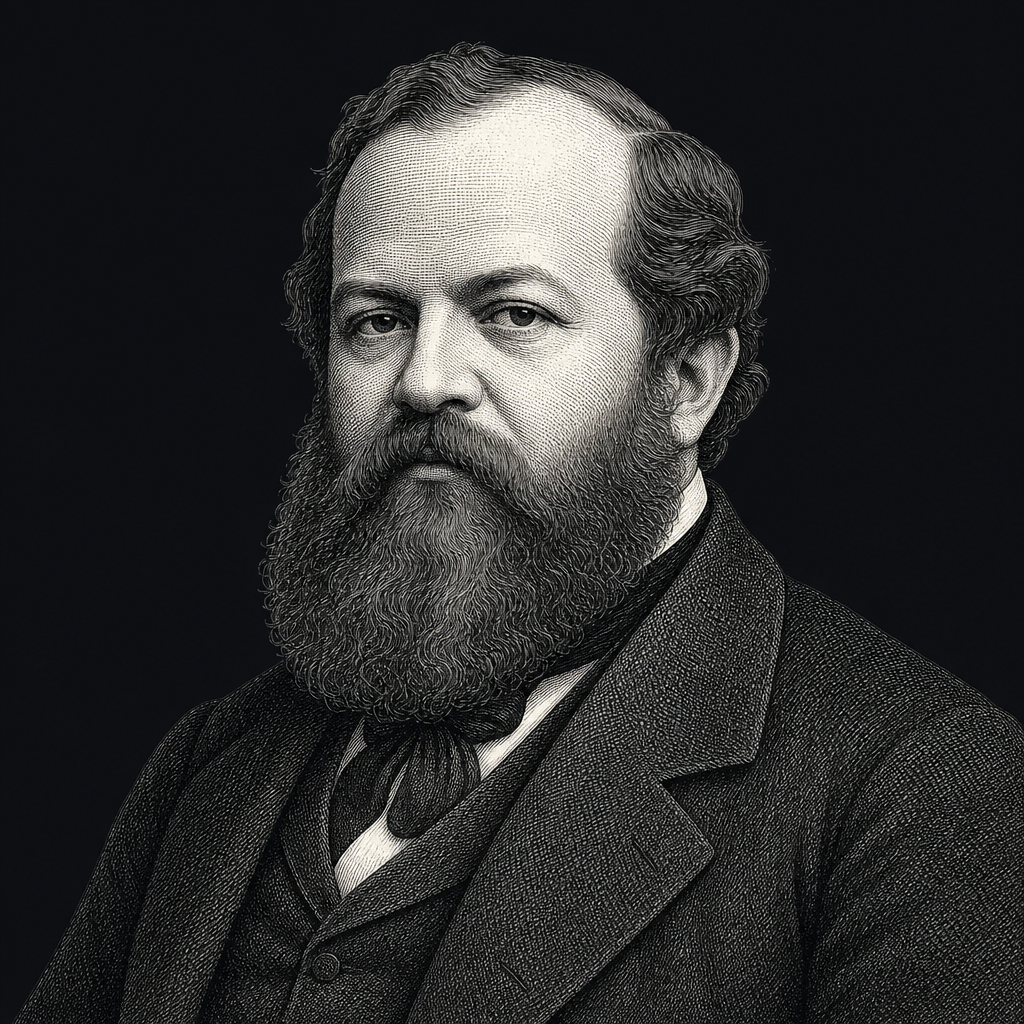

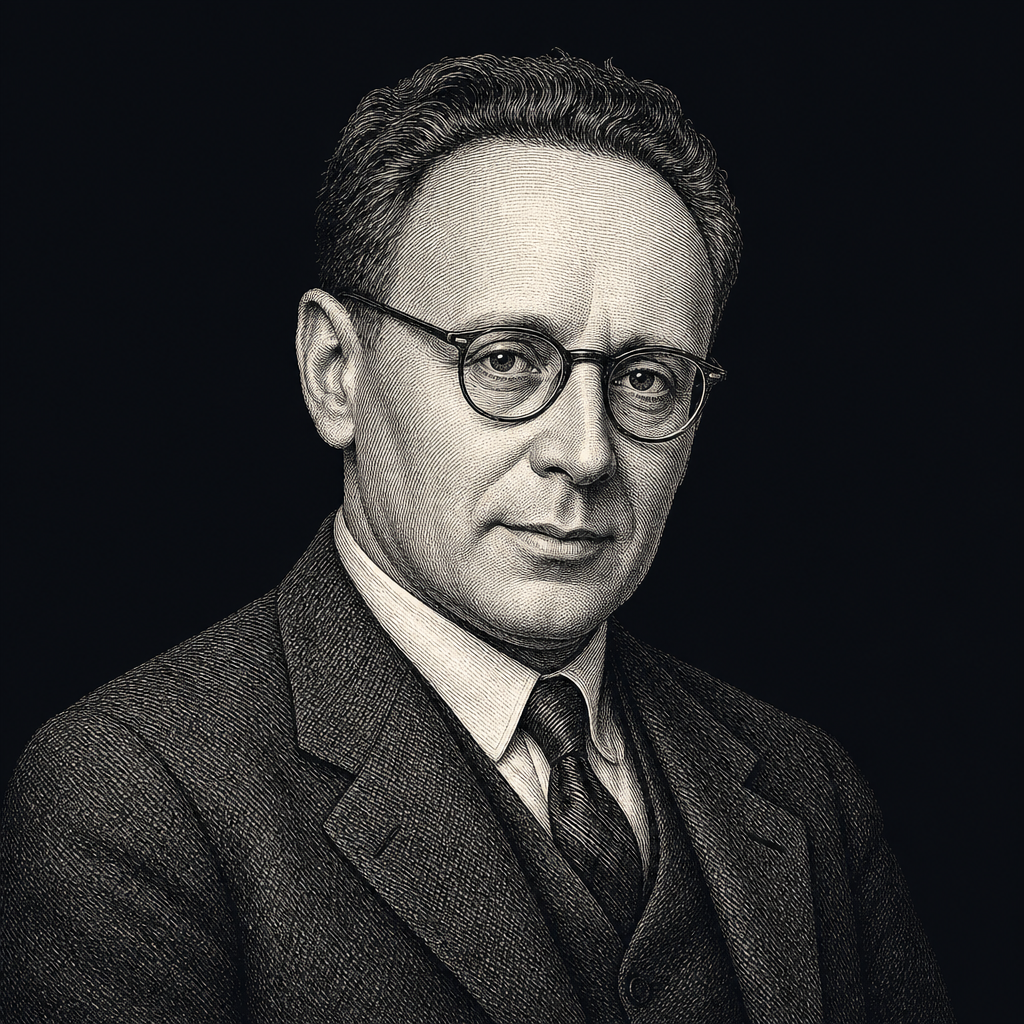
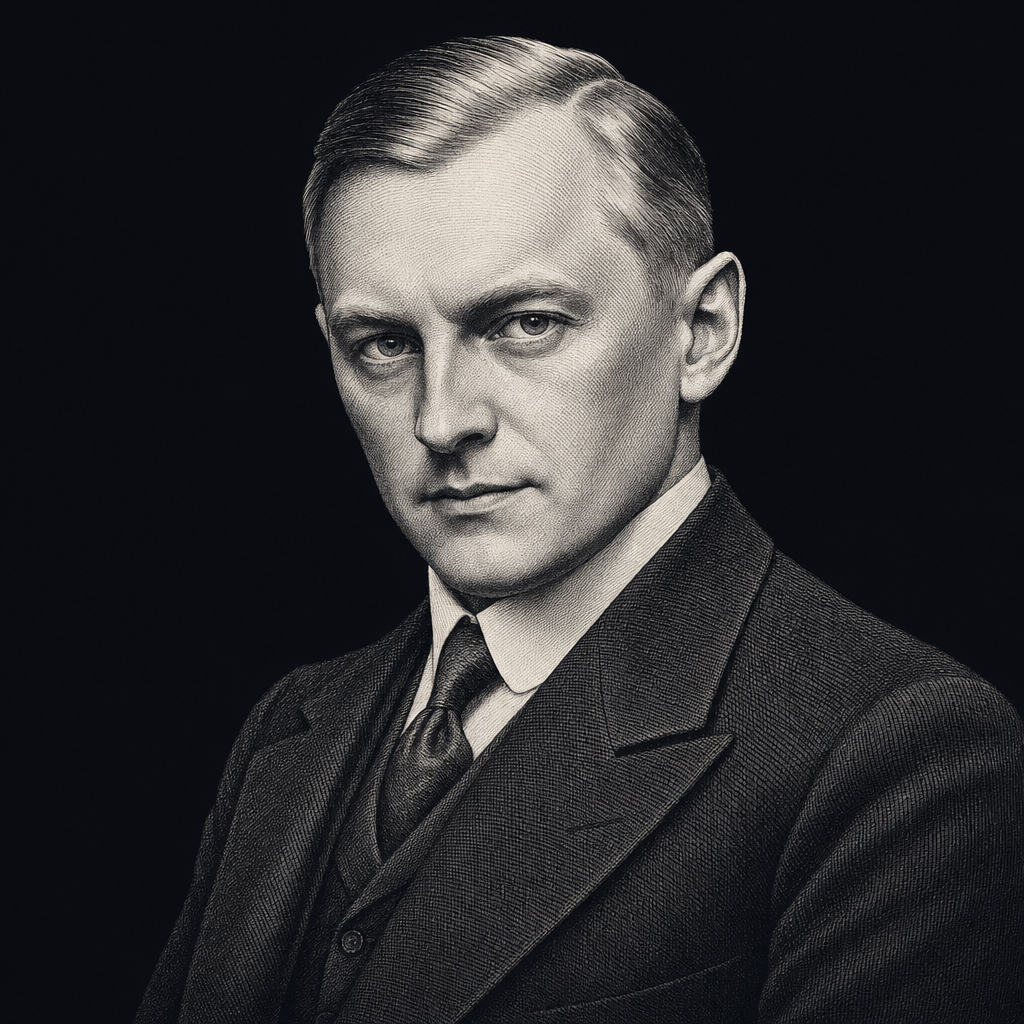

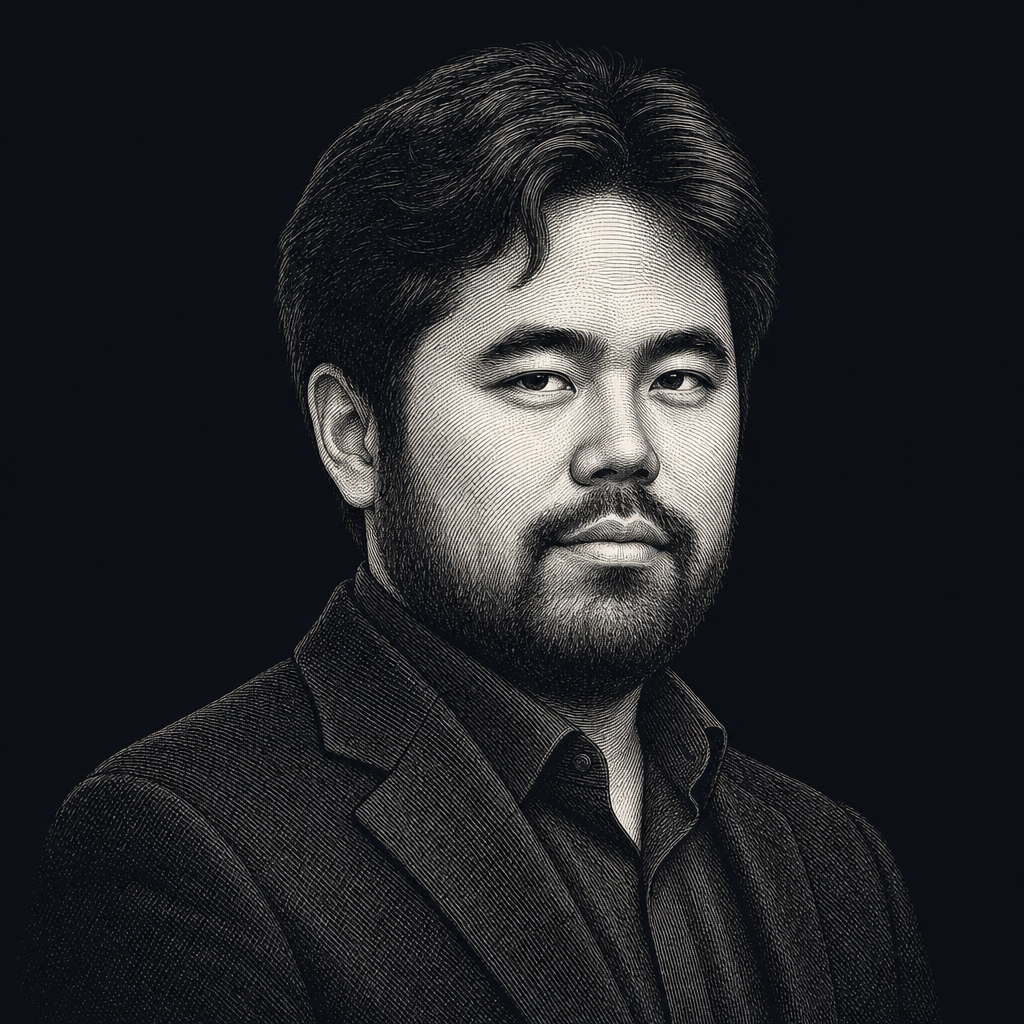
Biographical summary compiled by BetterChess. BetterChess is a practice tool — we make no guarantee you'll reach 1800 or any rating.
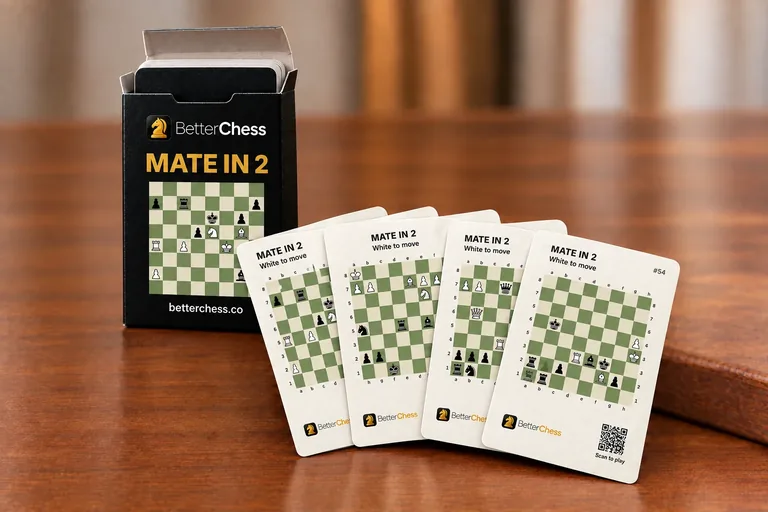
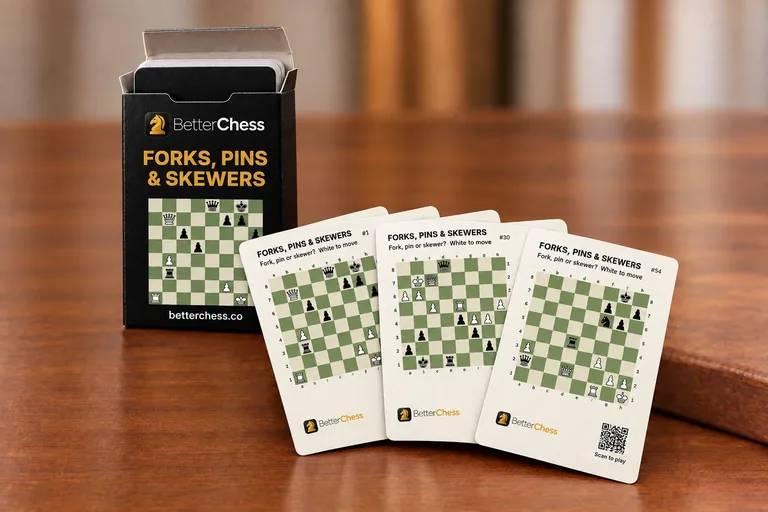
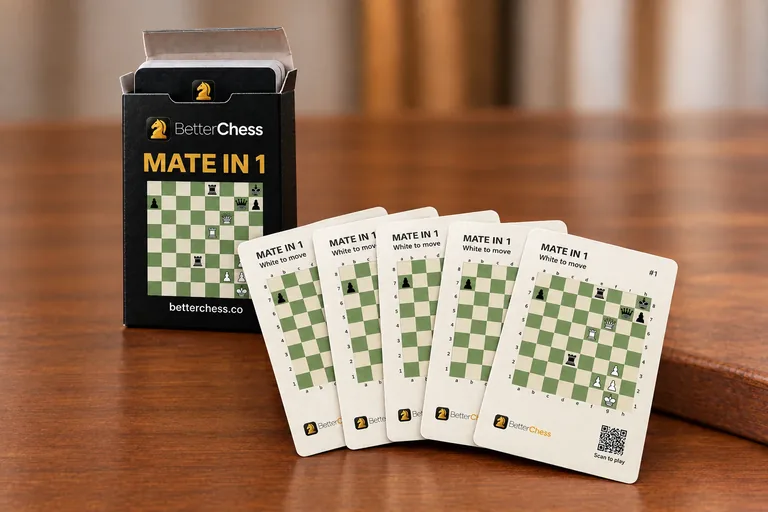
PRINTED CHESS PUZZLE CARDS
Chess puzzle playing card decks
54 poker-size cards in a tuck box. Puzzle on the front, solution on the back.