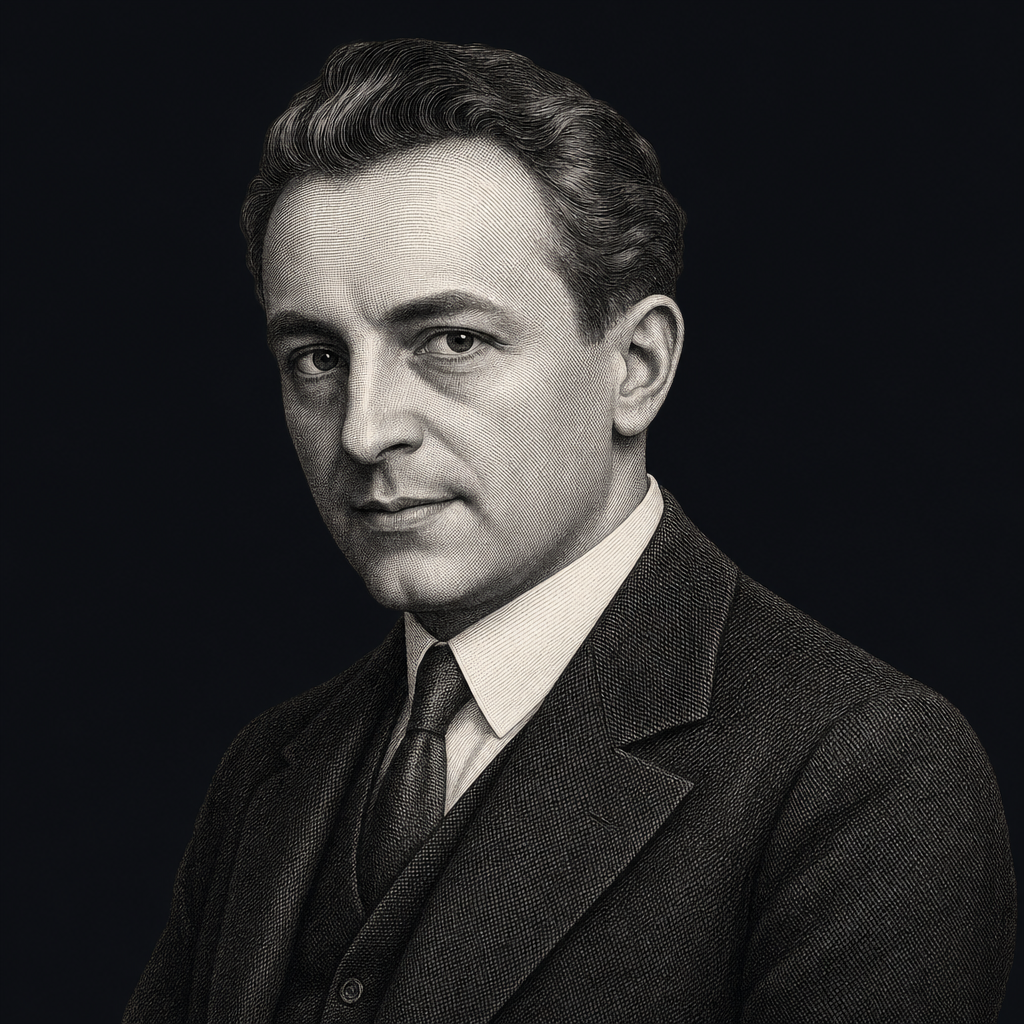
Friedrich Sämisch
“Opening innovator and the victim of the Immortal Zugzwang”
The Sämisch Variations of the King's Indian and Nimzo-Indian Defences — and a notorious habit of losing on time
2620Peak ratingChessmetrics historical estimate
Born–died1896–1975
CountryGermany
Active era1915–1970
TitleGrandmaster (1950); opening theorist
Friedrich Sämisch was born on September 20, 1896, in Charlottenburg, Berlin. He emerged as a strong master in Germany in the years after the First World War, a contemporary and frequent opponent of the great inter-war figures, and earned a reputation as a fine positional player and a serious theoretician of the openings. Several important variations still carry his name.
His most lasting contribution is to opening theory. The Sämisch Variation of the King's Indian Defence, with the solid pawn front and the move f3, remains one of White's most respected weapons against that opening to this day, and the Sämisch Variation of the Nimzo-Indian, with a3 inviting the doubling of White's pawns in return for the bishop pair, is likewise a permanent part of the theory. Few players of his rank have left two such durable systems.
Yet Sämisch is most famous for a game he lost. At Copenhagen in 1923 he was on the receiving end of Aron Nimzowitsch's masterpiece, the 'Immortal Zugzwang Game,' in which Nimzowitsch so completely paralysed his position that Sämisch was left with no move that did not lose — a rare instance of zugzwang in the middlegame and one of the most celebrated games in all of chess literature. It is a measure of the game's beauty that the loser's name is remembered for it.
A curious and ultimately poignant feature of Sämisch's career was his relationship with the clock. He was a superb blitz player, but in serious games he was chronically, almost pathologically, prone to time trouble. This tendency worsened dramatically in old age: at two tournaments in 1969, at Büsum and at Linköping, the 73-year-old Sämisch lost every single one of his games on time — a record of a sort, and a sad coda to a long career.
Sämisch was among the inaugural recipients of the International Grandmaster title from FIDE in 1950, recognition of his strength and his contribution to the game over many decades. He continued to play into his seventies and died on August 16, 1975. He is remembered both as a genuine opening innovator whose ideas outlived him and as a central character in one of chess's most famous stories.
Playing style
Sämisch was a sound, knowledgeable positional player with a particular gift for opening preparation and a deep understanding of pawn structures, as his enduring variations attest. At his best he handled strategically rich positions with skill. His great practical flaw was time management: a brilliant rapid and blitz player, he would sink into deep thought in serious games and repeatedly land in severe time trouble, a weakness that cost him countless points and, late in life, entire tournaments.
Signature openings
Sämisch Variation, King's Indian Defence (with f3)Sämisch Variation, Nimzo-Indian Defence (4.a3)Queen's GambitRuy LopezRéti and English systems
Rivalries & key opponents
- Aron Nimzowitsch
- Efim Bogoljubov
- Richard Réti
- Savielly Tartakower
Career highlights
- Among the inaugural recipients of the International Grandmaster title (1950)
- Originated the Sämisch Variation of the King's Indian Defence, still played at the top today
- Originated the Sämisch Variation of the Nimzo-Indian Defence
- A leading German master through the 1920s and 1930s
- Renowned as one of the finest blitz players of his generation
- Played the famous losing side of Nimzowitsch's 'Immortal Zugzwang Game' (1923)
- Competed in master chess across six decades
Famous games on BetterChess
More players




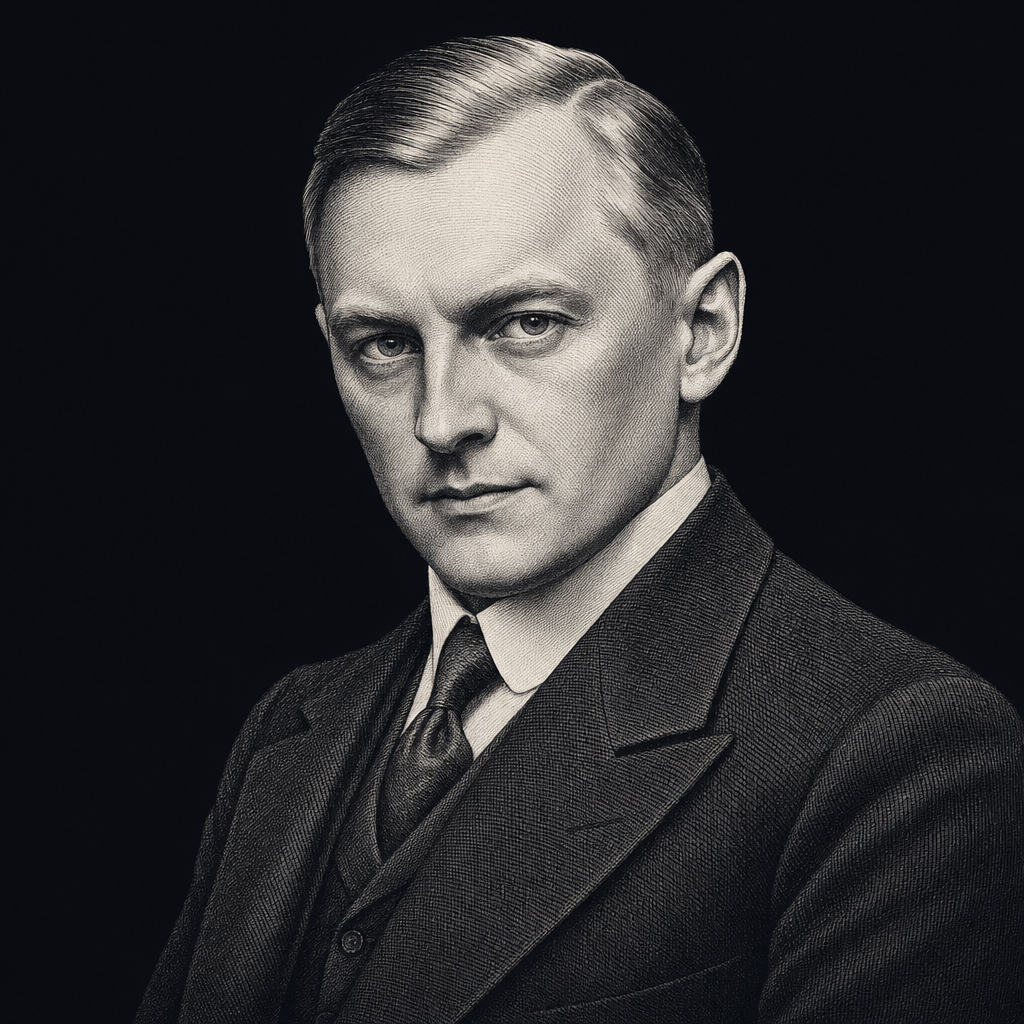



Biographical summary compiled by BetterChess. BetterChess is a practice tool — we make no guarantee you'll reach 1800 or any rating.
PRINTED CHESS PUZZLE CARDS
Chess puzzle playing card decks
54 poker-size cards in a tuck box. Puzzle on the front, solution on the back.