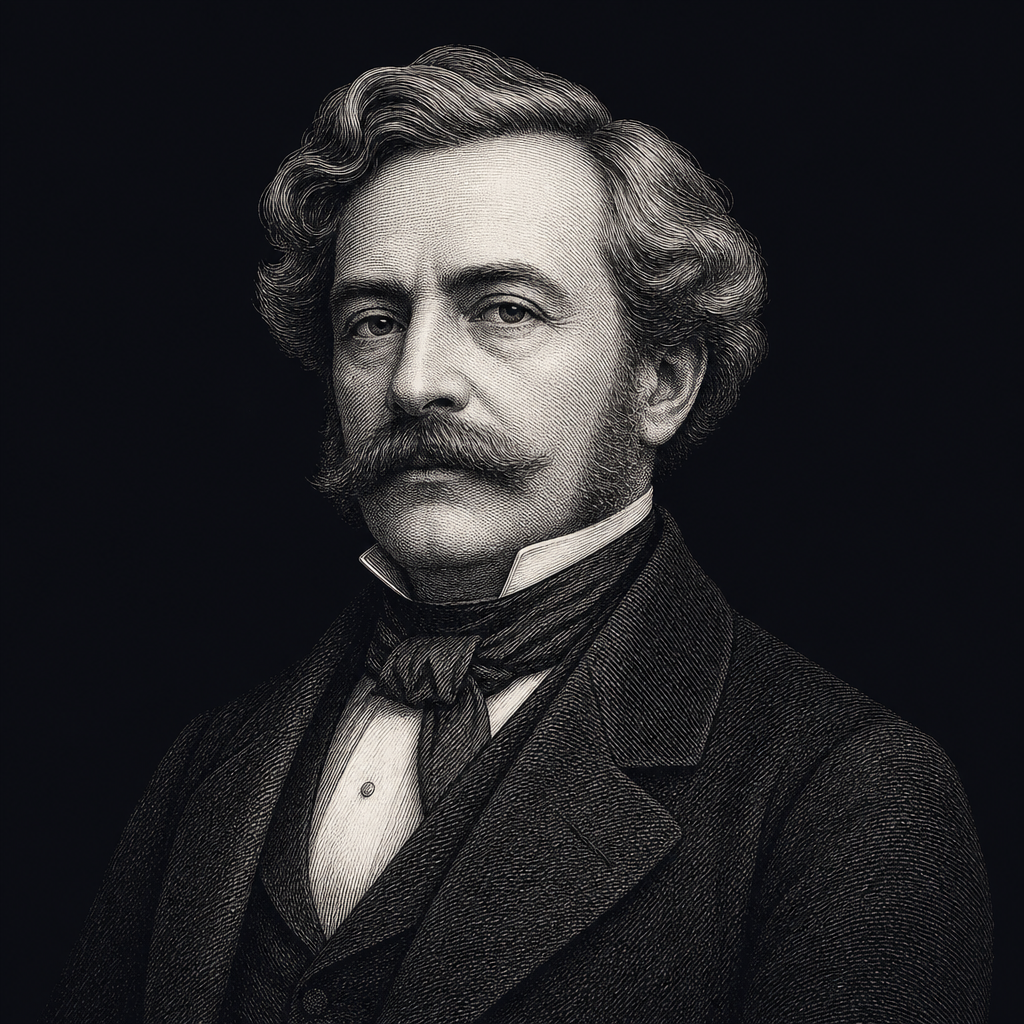
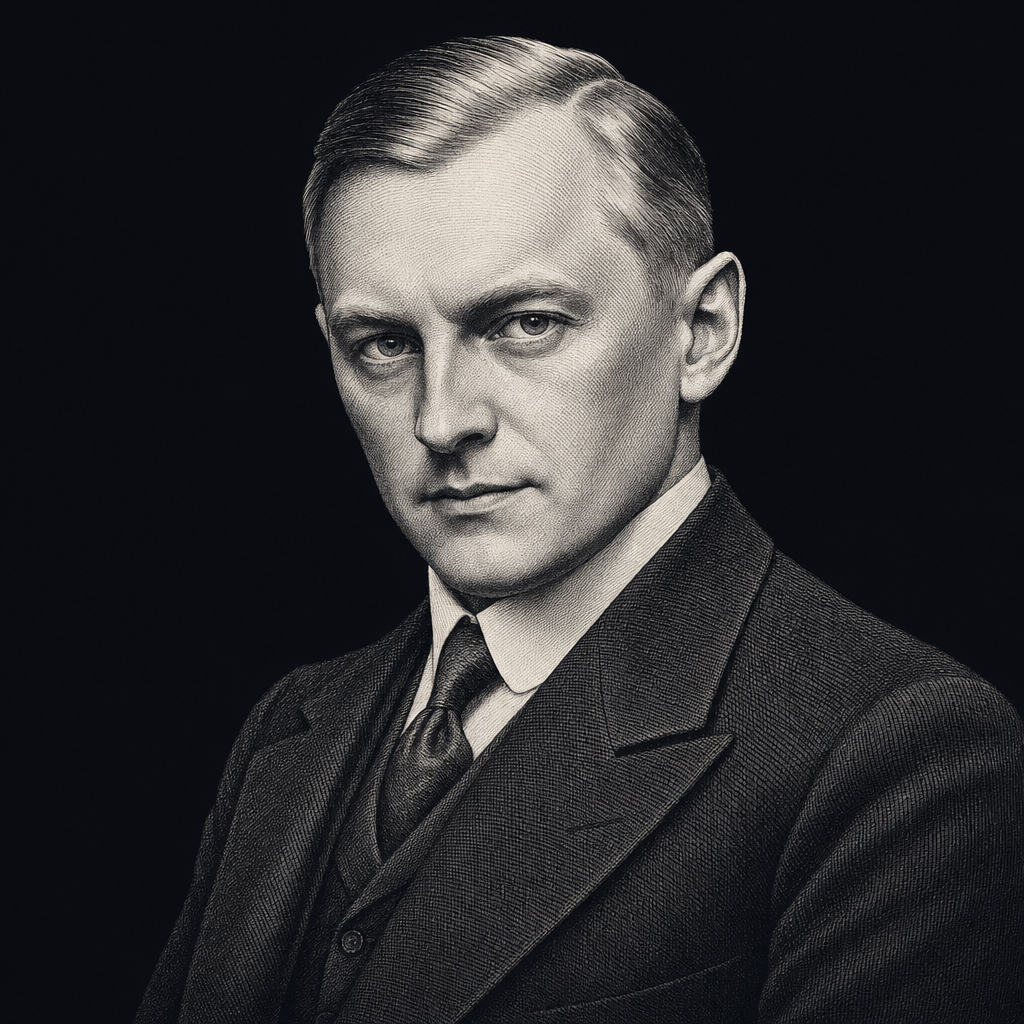
Jean Dufresne
“Player, journalist and chess author”
Being Anderssen's opponent in the Evergreen Game and writing hugely popular chess manuals.
2470Peak ratingChessmetrics historical estimate (peak May 1854)
Born–died1829–1893
CountryGermany
Active erac. 1848–1880
TitleMaster and chess writer
Jean Dufresne was born on February 14, 1829, in Berlin, the son of a prosperous Jewish merchant. He began studying law, but when his father ran into financial difficulty he was forced to abandon his studies, and he turned instead to journalism, which became his profession. Chess was his lifelong passion, and through the 1840s and 1850s he became one of the better amateurs in the lively Berlin chess scene.
Dufresne was a student and friend of Adolf Anderssen, the leading player of the age, and the two played many games together. Although Dufresne was never a world-class competitor, he was a capable master — Chessmetrics retrospectively estimates his strength as high as the world's top ten in the mid-1850s — and he took part in matches and club play in Berlin, including a notable contest with Carl Mayet.
His name is permanently attached to the 'Evergreen Game' of 1852, in which Anderssen, playing White, conducted one of the most admired combinations in all of chess to defeat him. The nickname is traditionally credited to Wilhelm Steinitz, who is said to have called it 'an evergreen in the laurel wreath' of the great German master. As with Kieseritzky and the Immortal Game, Dufresne's place in history is sealed by a brilliant loss.
Dufresne's most important contribution, however, was as a writer. He produced numerous instructional books, of which the Kleines Lehrbuch des Schachspiels (1881), affectionately known in Germany as 'der kleine Dufresne,' was a phenomenon: it ran through edition after edition and taught chess to generations of German-speaking players. He also compiled a popular collection of Paul Morphy's games and wrote on opening theory, doing as much to spread the game as many a stronger player.
He continued writing and following chess into his later years, despite declining health and failing eyesight. Dufresne died in his native Berlin on April 13, 1893, at the age of 64.
Dufresne's dual legacy is unusual: he is remembered both as the obscure amateur on the receiving end of an immortal combination and as one of the most successful chess authors of the nineteenth century. His textbooks shaped how countless players first learned the game, and his name endures wherever the Evergreen Game is studied — which is to say, everywhere chess is taught.
Playing style
Dufresne was a competent attacking amateur of the Romantic school, comfortable in the open, tactical positions that dominated mid-century play, though he lacked the consistency and defensive resilience of the very top masters. The Evergreen Game is characteristic of the era's spirit on both sides: a sharp Evans Gambit in which Dufresne pressed his own counterattack so vigorously that he walked into Anderssen's famous finishing combination. His lasting influence, however, came less from his own play than from his clear, accessible writing, which distilled the theory of his day for ordinary club players.
Signature openings
Rivalries & key opponents
- Evergreen Game vs Adolf Anderssen (1852): the celebrated off-hand loss that made him famous.
- Match with Carl Mayet (Berlin, 1853): one of his stronger competitive results.
Career highlights
- Pupil and friend of Adolf Anderssen and a leading Berlin amateur
- Played Black in the Evergreen Game vs Anderssen (1852)
- Wrote the immensely popular Kleines Lehrbuch des Schachspiels (1881)
- Compiled a widely read collection of Paul Morphy's games
- One of the most influential and prolific chess authors of 19th-century Germany
Famous games on BetterChess
More players







Biographical summary compiled by BetterChess. BetterChess is a practice tool — we make no guarantee you'll reach 1800 or any rating.
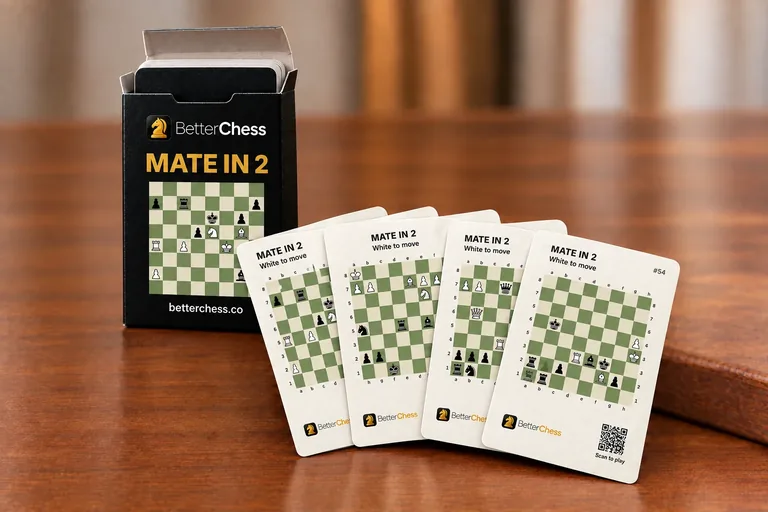
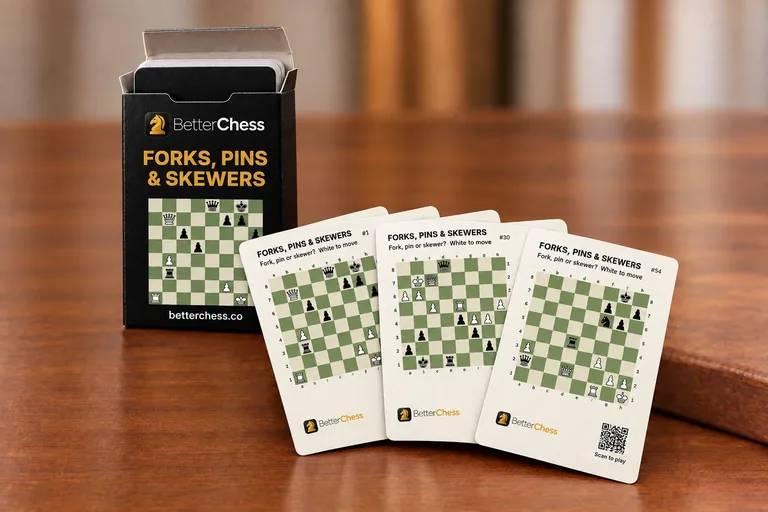
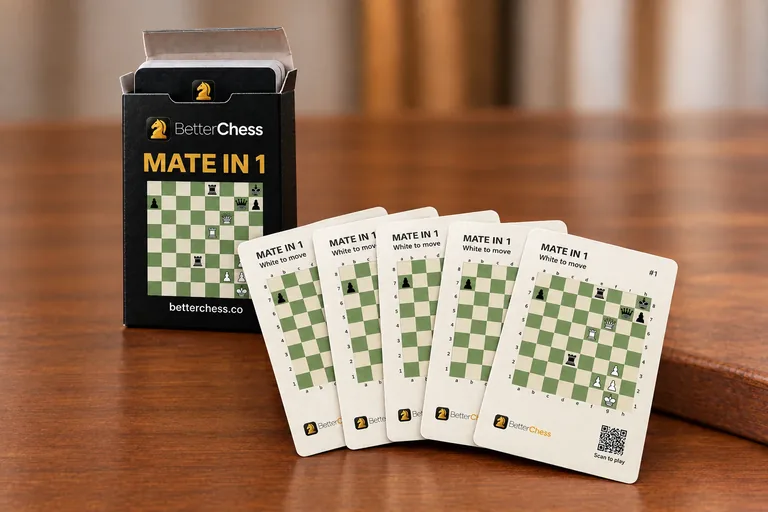
PRINTED CHESS PUZZLE CARDS
Chess puzzle playing card decks
54 poker-size cards in a tuck box. Puzzle on the front, solution on the back.