Carl Schlechter
“The drawing master who nearly dethroned Lasker”
Drawing his 1910 World Championship match with Emanuel Lasker, coming within a game of the title
2755Peak ratingChessmetrics historical estimate
Born–died1874–1918
CountryAustria-Hungary
Active era1890s–1918
TitleWorld Championship challenger (1910)
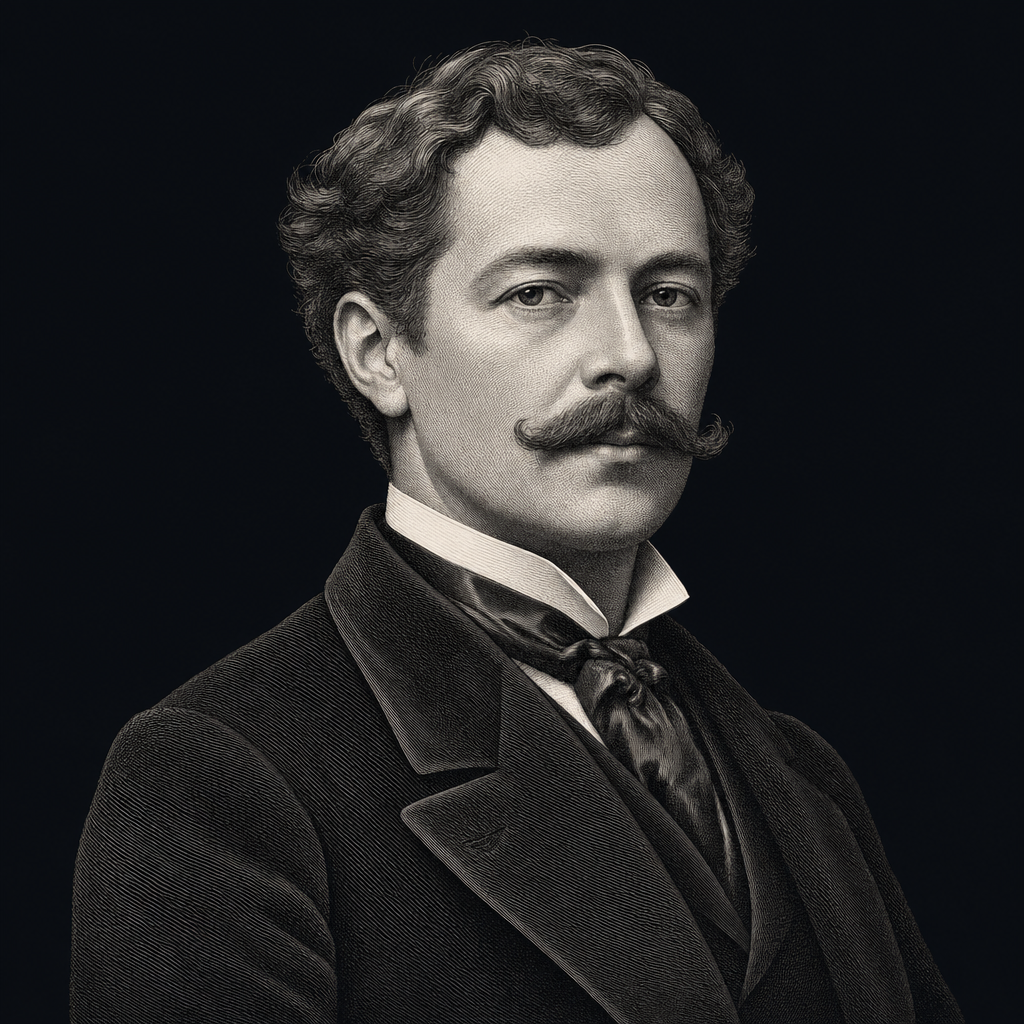
Carl Schlechter was born on March 2, 1874, in Vienna, then the heart of the Austro-Hungarian Empire. He learned chess at thirteen, studying under the problemist Samuel Gold, and rose steadily through the rich Viennese chess scene to become one of the leading masters of his generation. Gentle, modest and famously sportsmanlike, he was one of the best-liked figures in the chess world.
Schlechter earned a reputation as a supremely solid and resourceful player, so difficult to beat that he became known — not always admiringly — as the 'drawing master.' But the label undersold him: his defensive technique was matched by genuine combinative skill and a deep, universal understanding of the game, and at his peak he could beat anyone alive.
His tournament record was outstanding. He won or shared first at a long series of strong events, including Munich 1900, Coburg 1904, Ostend 1906, Stockholm 1906, Vienna and Prague 1908, and Hamburg 1910, along with a hat-trick of Trebitsch Memorials in Vienna. Few players of the era were as consistently near the top across so many tournaments.
His place in history rests on the 1910 World Championship match against Emanuel Lasker. The contest was short — ten games — and Schlechter, astonishingly, led after winning the fifth. Needing only to hold his lead, he came within a hair of taking the title, but Lasker fought back to win the final game and square the match at 5–5, retaining the championship. The exact terms of the match, and whether Schlechter needed to win by two games, remain debated to this day, lending the result a permanent air of mystery.
Schlechter never got another shot at the crown. The First World War devastated Central Europe and, with it, the professional chess circuit on which he depended. A proud and retiring man, he refused to ask for help even as conditions grew desperate.
He died on December 27, 1918, in Budapest, of pneumonia worsened by malnutrition — in effect, of starvation amid the wartime collapse. He was just forty-four. The chess world lost not only a player who had come within a single game of the World Championship, but one of its most admired gentlemen.
Playing style
Schlechter was the model of solidity and resourcefulness, with a defensive technique so secure that he was nicknamed the 'drawing master.' Yet he was a far more complete player than the label suggests: he possessed a universal style, equally capable of patient positional manoeuvring and sharp combinative play, and a deep understanding of every phase of the game. He rarely overreached, preferring sound, well-founded positions, but he could attack decisively when the moment came. His sportsmanship was legendary — he would offer a draw to an unwell opponent, or quietly deduct time from his own clock if his opponent arrived late.
Signature openings
Rivalries & key opponents
- Emanuel Lasker
- Akiba Rubinstein
- Siegbert Tarrasch
- Dawid Janowski
Career highlights
- Won or shared first at Munich (1900), Coburg (1904), Ostend (1906) and Stockholm (1906)
- Won or shared first at Vienna (1908), Prague (1908) and Hamburg (1910)
- Won the Trebitsch Memorial in Vienna three years running (1911, 1912, 1913)
- Drew the 1910 World Championship match with Emanuel Lasker, 5–5, coming within a game of the title
- Regarded as one of the strongest and most consistent tournament players of his era
- Edited and contributed to leading chess publications of the day
- Gave his name to variations in the Slav Defence and other openings
- Renowned throughout the chess world for his exemplary sportsmanship
Famous games on BetterChess
More players
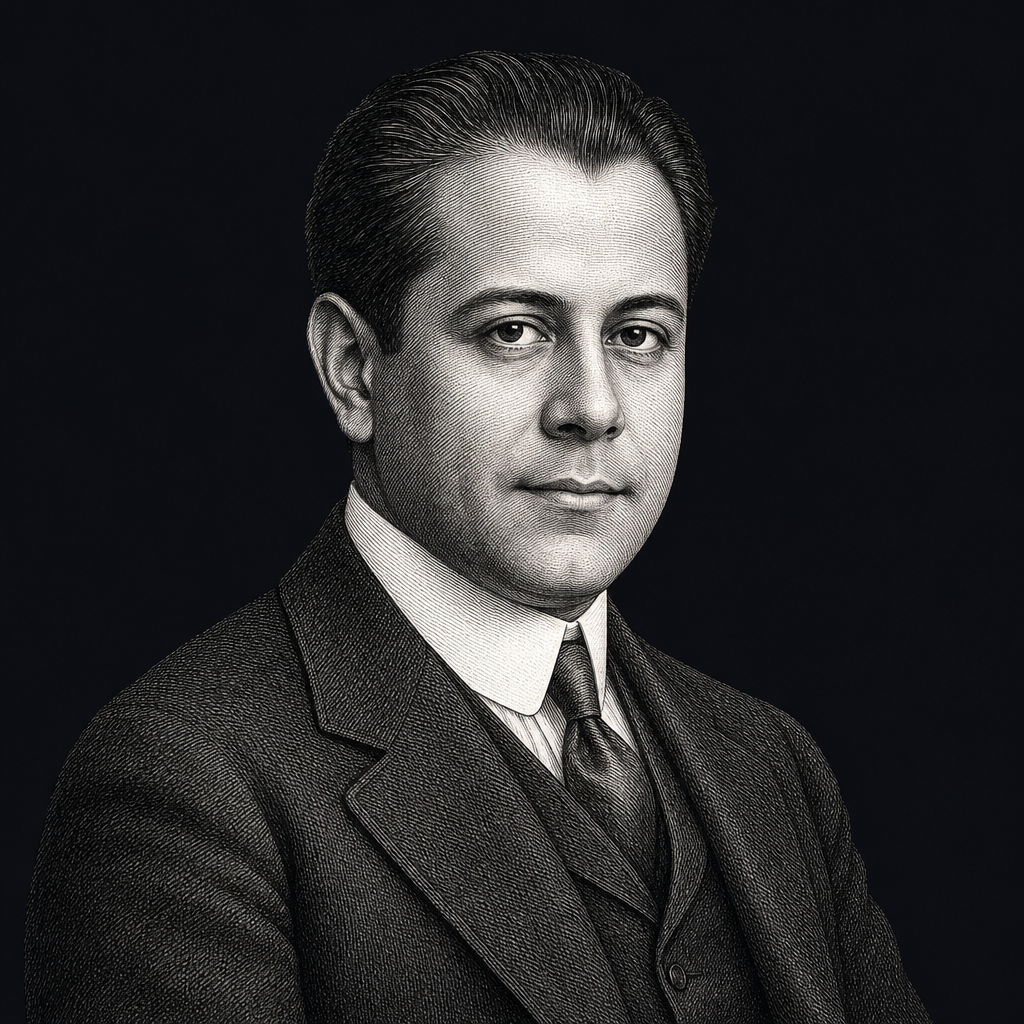
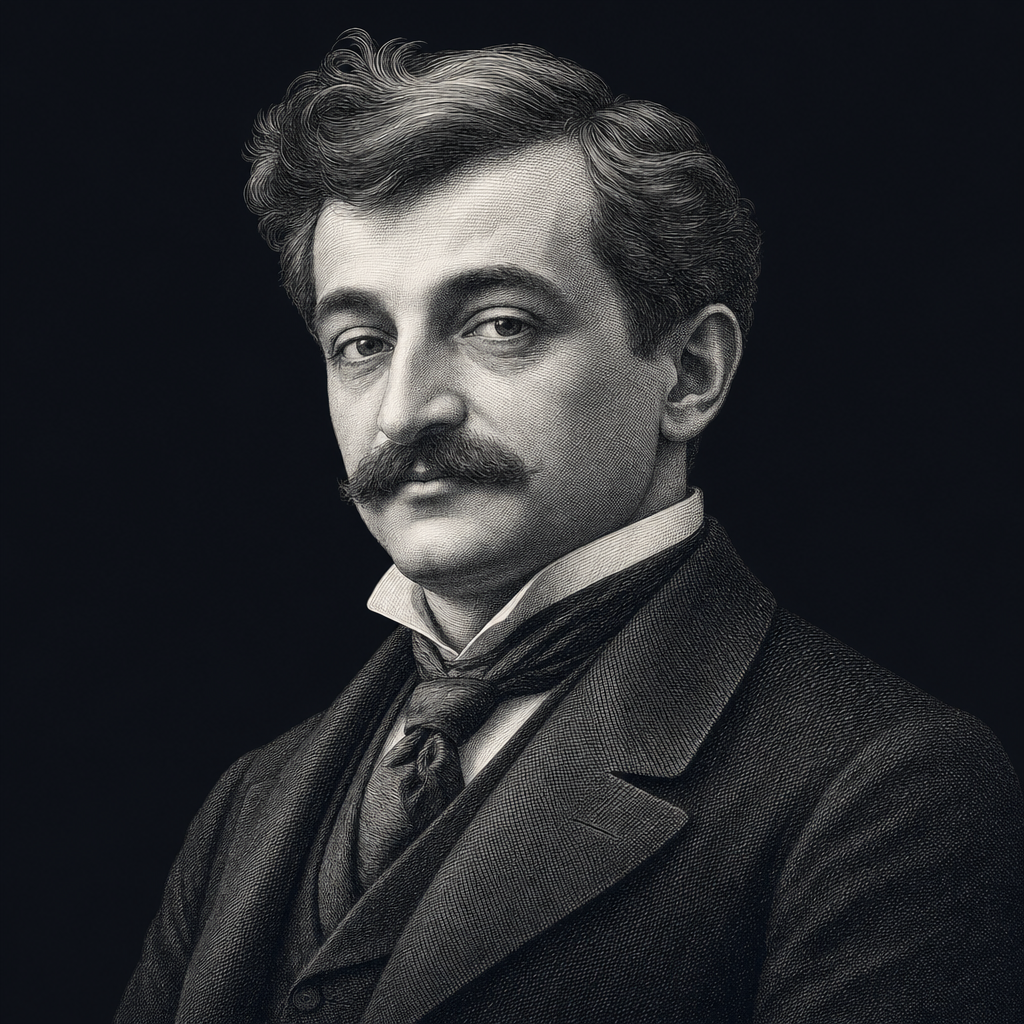

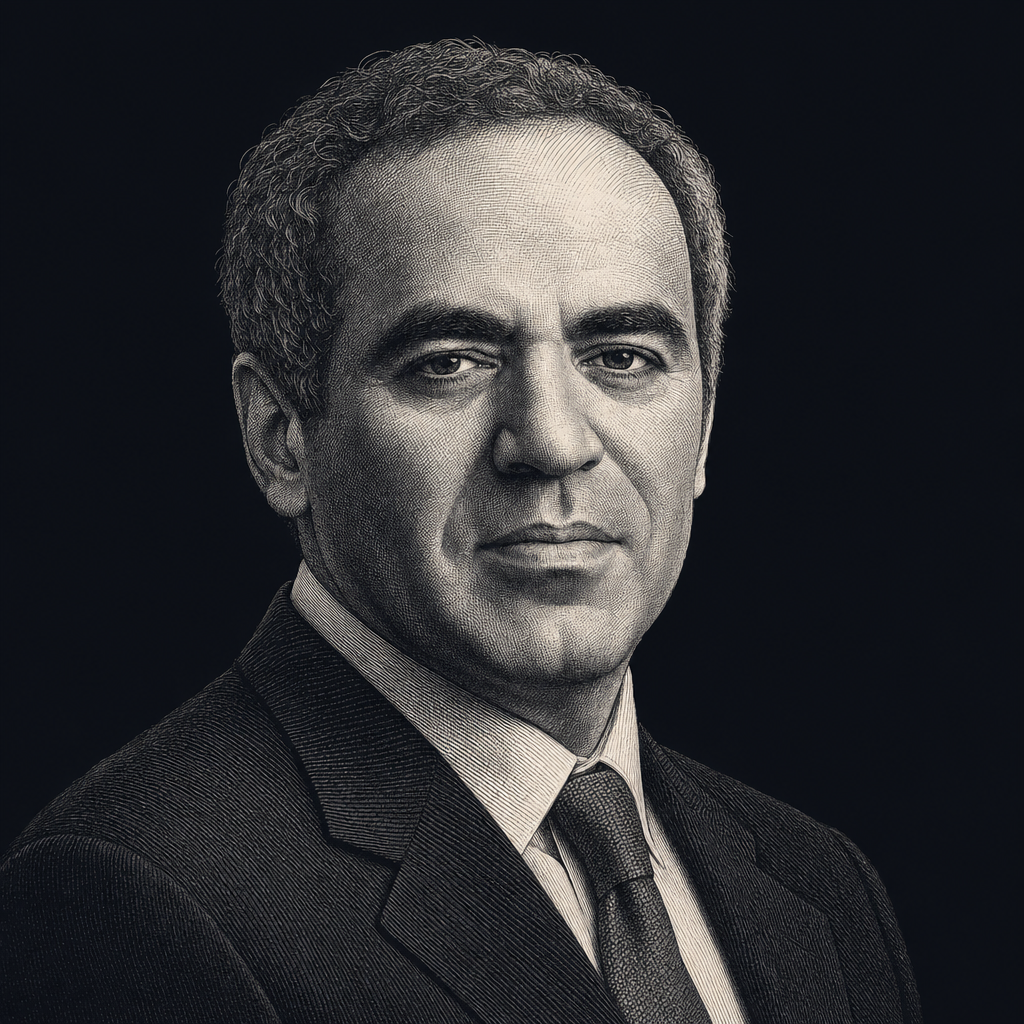

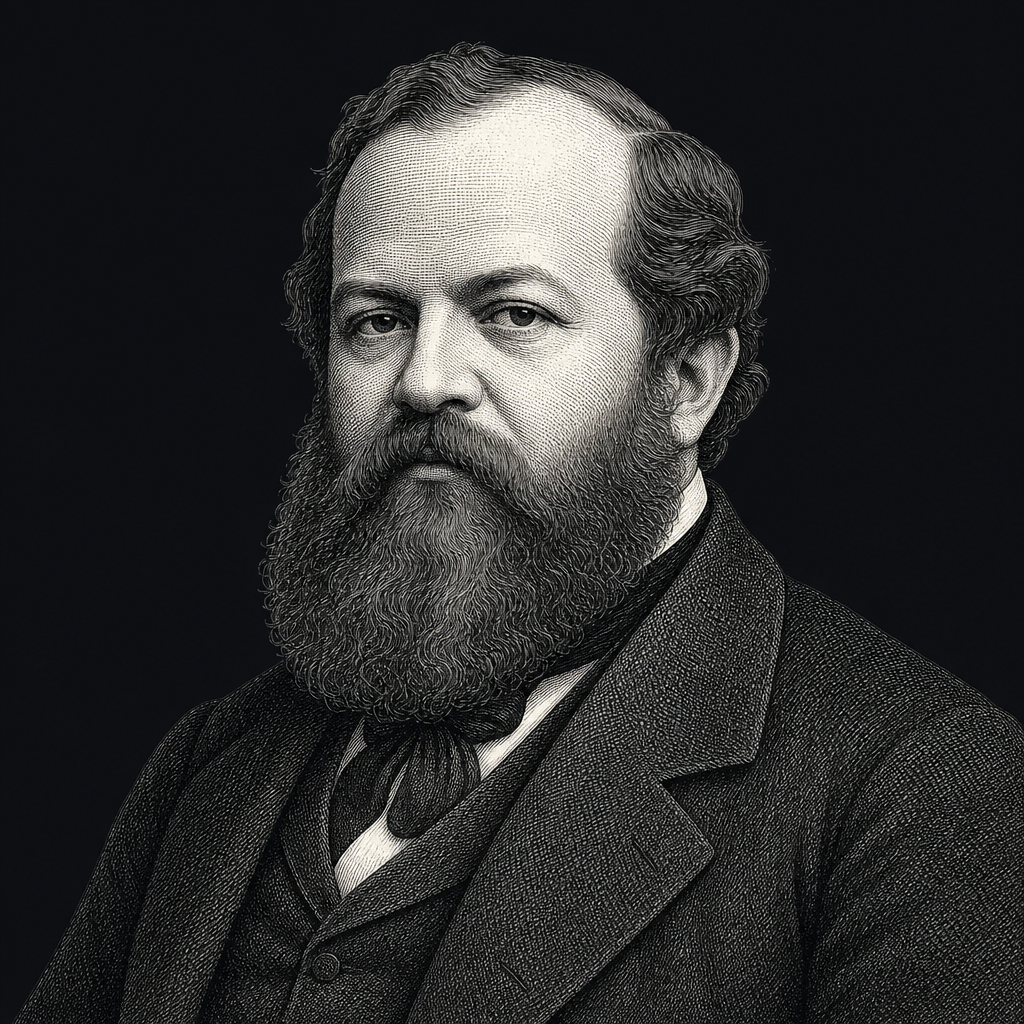


Biographical summary compiled by BetterChess. BetterChess is a practice tool — we make no guarantee you'll reach 1800 or any rating.
PRINTED CHESS PUZZLE CARDS
Chess puzzle playing card decks
54 poker-size cards in a tuck box. Puzzle on the front, solution on the back.