Alexander McDonnell
“England's champion of the 1830s”
The 1834 matches against La Bourdonnais — the first great international chess contest
2537Peak ratingEdo historical rating estimate (predates Chessmetrics coverage)
Born–died1798–1835
CountryIreland / United Kingdom
Active erac. 1825–1835
TitleBritain's leading player (early 1830s)
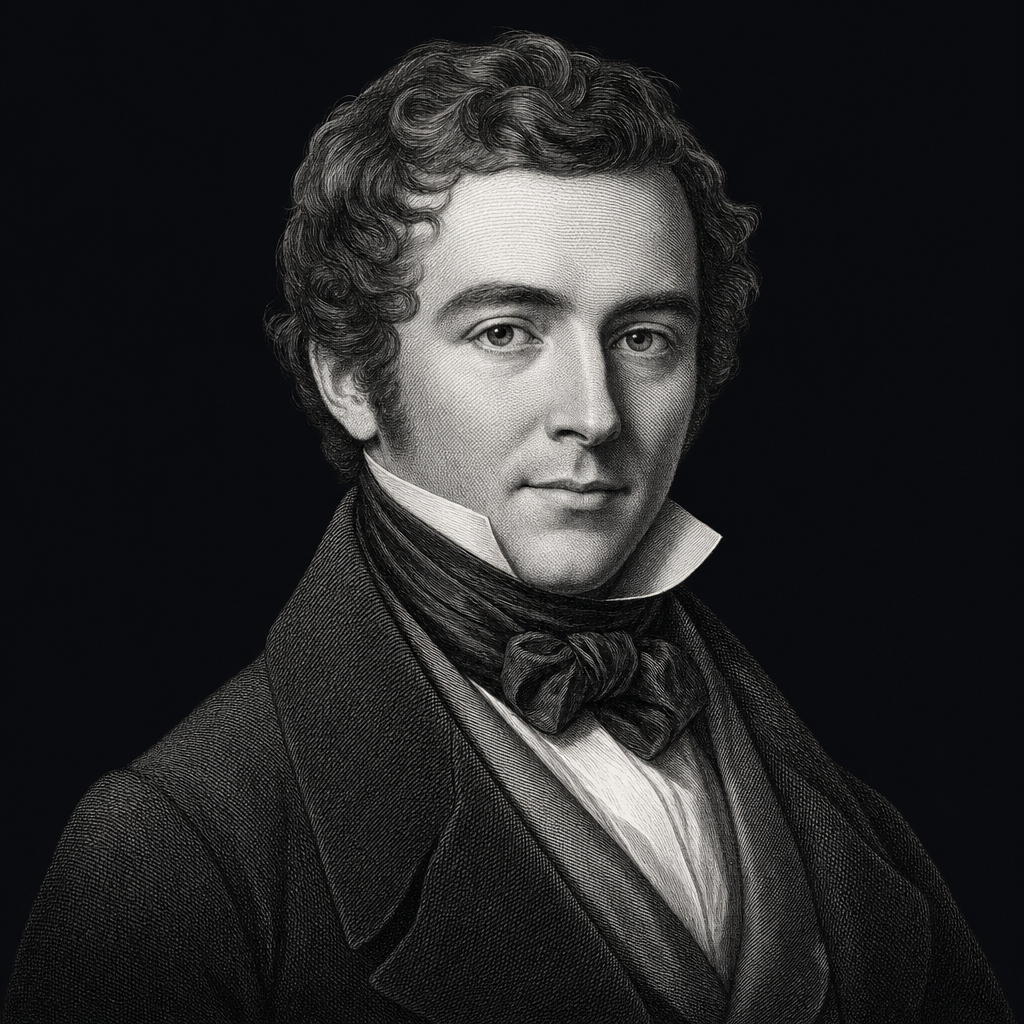
Alexander McDonnell was born on 22 April 1798 in Belfast, the son of a physician. He trained for a commercial career and worked for a time as a merchant in the West Indies before settling in London around 1820, where he became secretary to the Committee of West India Merchants, a paid post advocating the interests of that trade. Chess was his consuming passion outside of business, and London — with its growing club scene — gave him the opponents he needed to develop.
In 1825 he became a pupil of William Lewis, then the leading player in Britain and a prolific chess author. McDonnell improved so rapidly that he soon outplayed his teacher; Lewis, it is said, eventually declined to play him on level terms to protect his own reputation. When George Walker founded the Westminster Chess Club in 1831, McDonnell was quickly recognised as its strongest member and, by extension, the strongest player in England.
His place in chess history was secured in 1834, when the French champion Louis de La Bourdonnais came to London and the two played a marathon series of six matches — eighty-five games in all — at the Westminster Chess Club. It was the longest and most significant contest the game had seen, and although La Bourdonnais won the series overall, McDonnell held his own in stretches, winning the second match and producing many brilliant and hard-fought games that were studied across Europe for generations.
McDonnell was a deeply original player who contributed to opening theory: in the matches he introduced a sharp line of the King's Gambit (1.e4 e5 2.f4 exf4 3.Nf3 g5 4.Bc4 g4 5.Nc3) that is still known today as the McDonnell Gambit, and his name is also attached to a variation against the Sicilian. He was noted for his stubbornness in the openings, sometimes repeating dubious lines, which Morphy later identified as a reason he lost the majority of the match games.
His health, however, was failing. McDonnell suffered from Bright's disease, a kidney ailment, and he died in London on 14 September 1835, only a year after the great matches and before any return contest with La Bourdonnais could be arranged. He was just thirty-seven years old.
He was buried at Kensal Green Cemetery in London. When La Bourdonnais himself died penniless in 1840, the chess writer George Walker arranged for his rival to be buried nearby, so that the two men whose 1834 games launched modern match chess lie close together. McDonnell is remembered as the worthy adversary whose struggle with La Bourdonnais gave chess its first great rivalry.
Playing style
McDonnell was a powerful attacking player in the spirit of his age, strong in sharp, open positions and combinative play, though less consistent than La Bourdonnais in strategy and the endgame. He was inventive in the openings — the McDonnell Gambit bears his name — but could be obstinate, repeating risky lines even when they had failed. At his best he produced brilliant, fighting chess; his weakness was a tendency to drift in quieter, more strategic positions.
Signature openings
King's Gambit (McDonnell Gambit)Open games (1.e4 e5)Queen's GambitAnti-Sicilian lines (McDonnell Attack)
Rivalries & key opponents
- Louis de La Bourdonnais — the 1834 London matches (85 games), the first great international contest
- William Lewis — his teacher, whom he soon surpassed
Career highlights
- Recognised as the strongest player in England in the early 1830s
- Contested the historic 1834 matches against La Bourdonnais (85 games)
- Won the second of the six 1834 matches against La Bourdonnais
- Introduced the McDonnell Gambit in the King's Gambit
- A leading figure of the Westminster Chess Club, founded 1831
- Produced many of the games that became Europe's first shared body of master play
Famous games on BetterChess
More players




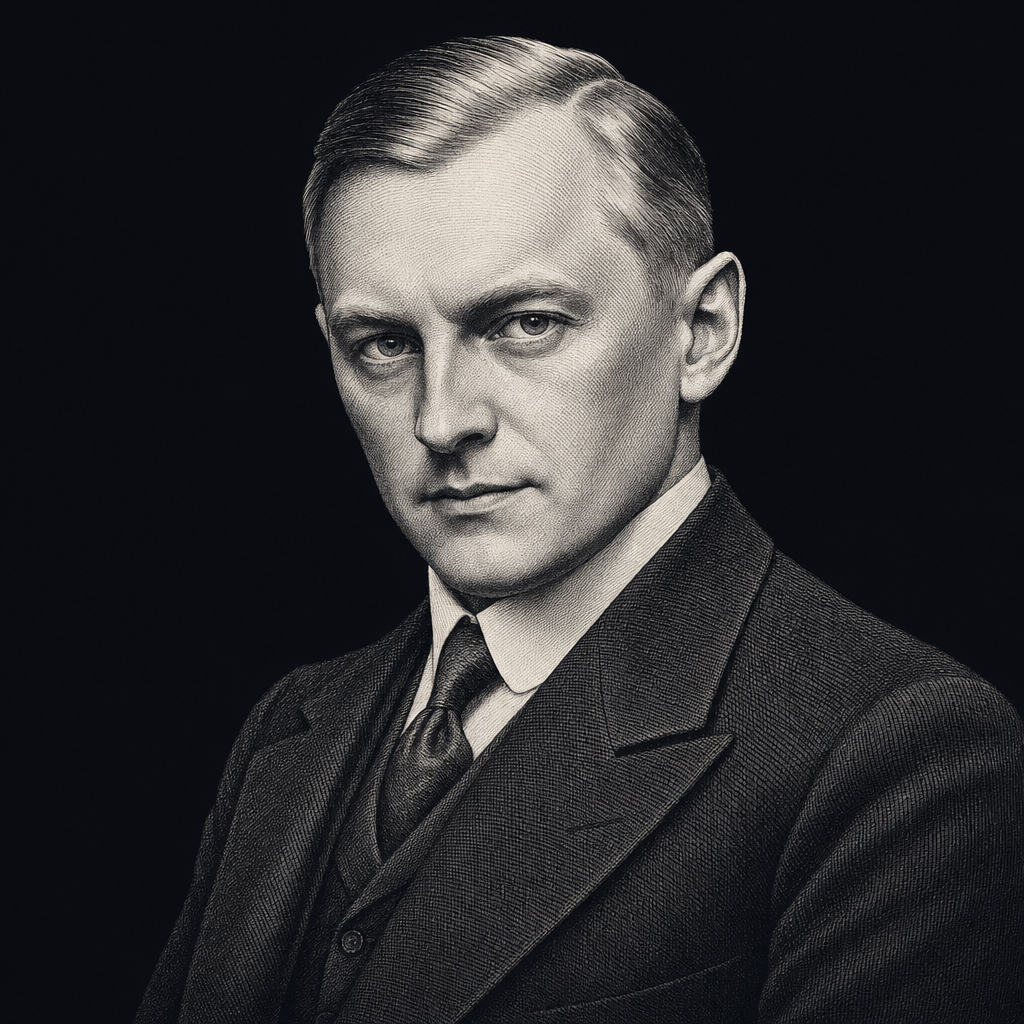



Biographical summary compiled by BetterChess. BetterChess is a practice tool — we make no guarantee you'll reach 1800 or any rating.
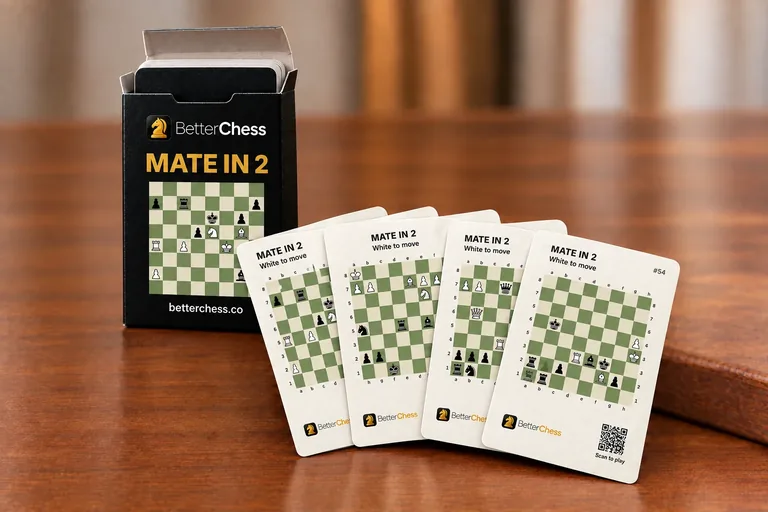
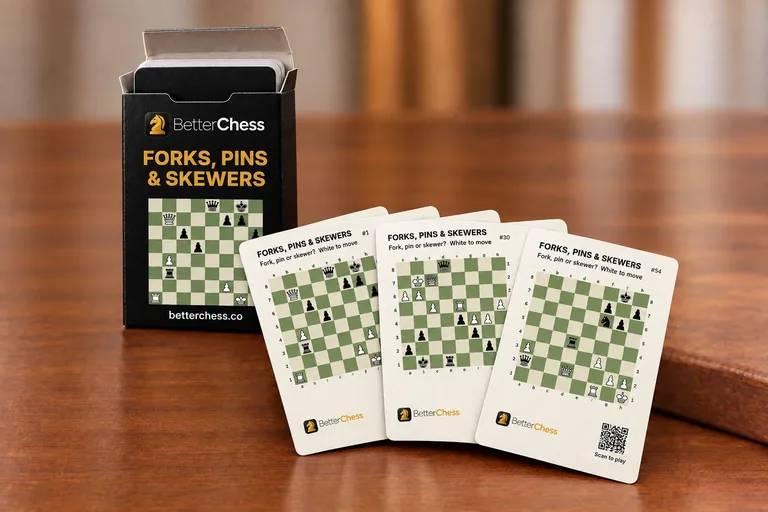
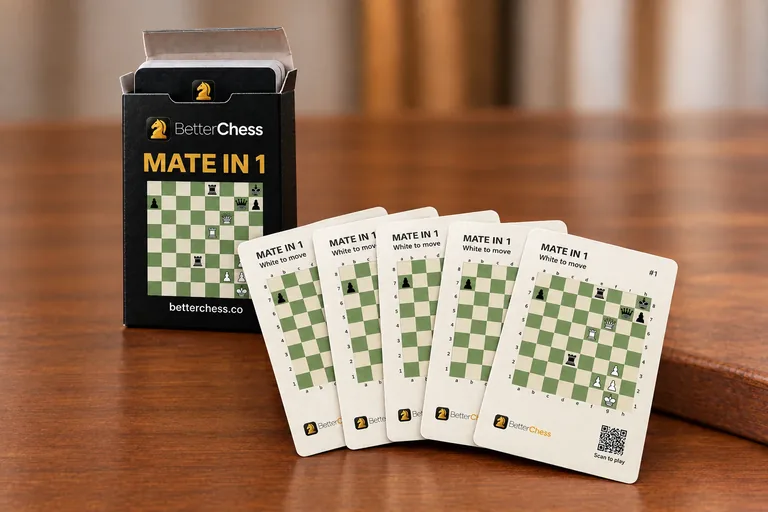
PRINTED CHESS PUZZLE CARDS
Chess puzzle playing card decks
54 poker-size cards in a tuck box. Puzzle on the front, solution on the back.