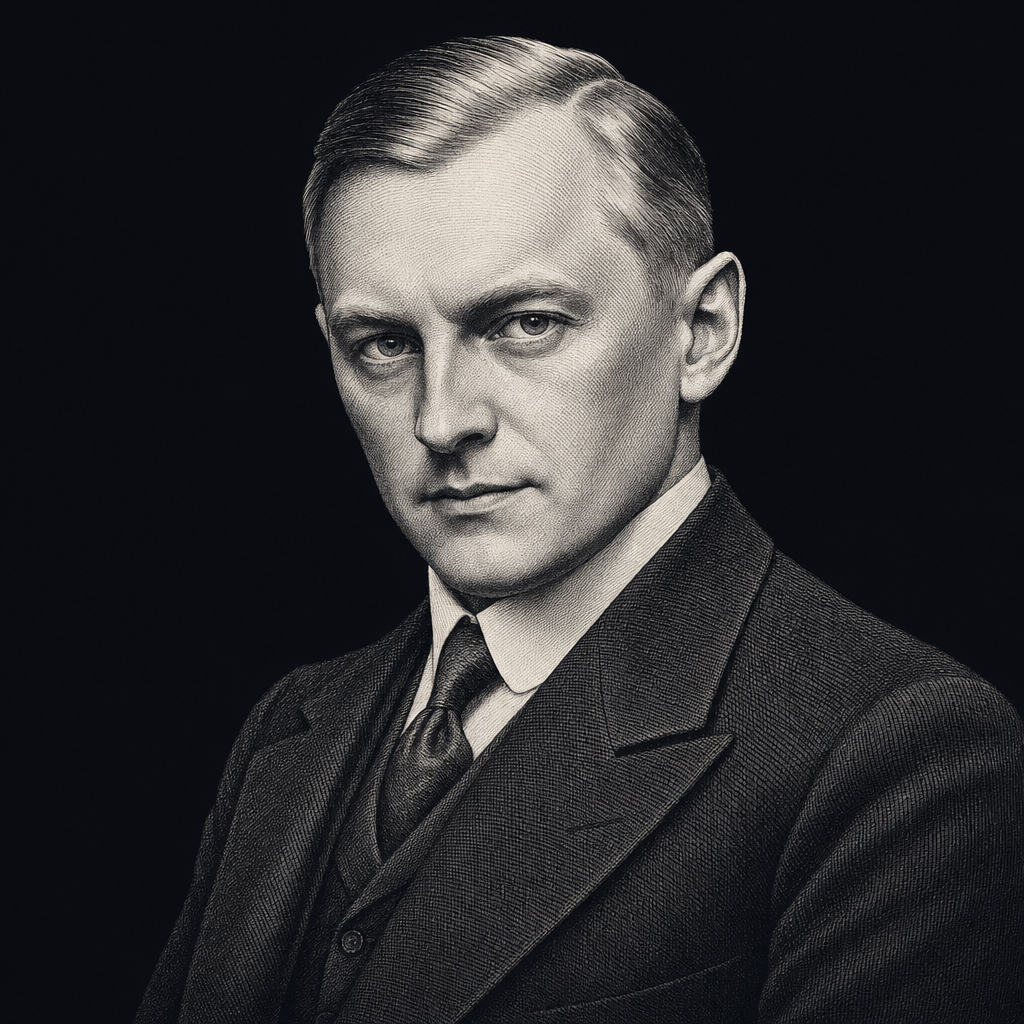
Howard Staunton
“The world's strongest player of the 1840s — and a Shakespeare scholar”
Beating Saint-Amant in 1843, organising the first international tournament (1851), and the Staunton chess pieces
2770Peak ratingChessmetrics historical estimate (peak, 1852)
World #1c. 1843–1851
Born–died1810–1874
CountryEngland
Active erac. 1836–1860s
TitleUnofficial world's best (c. 1843–1851)
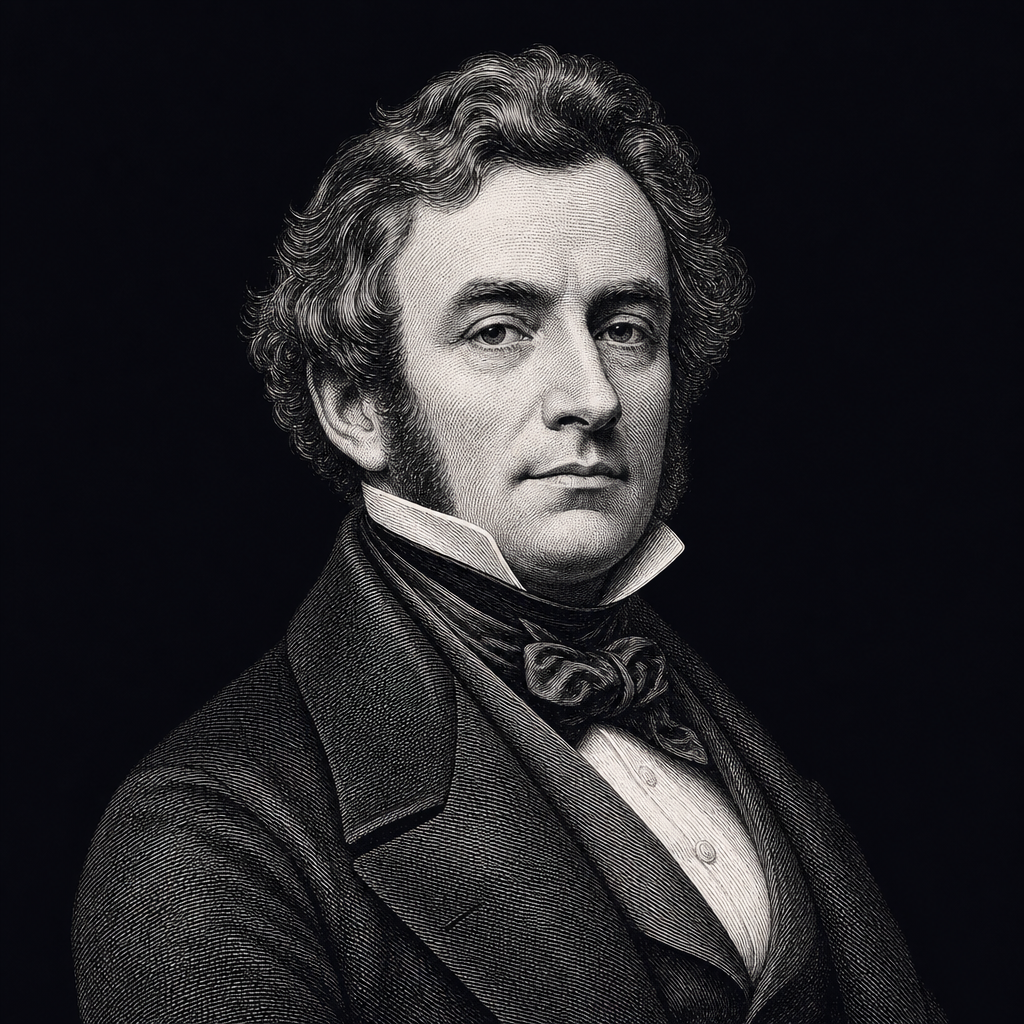
Howard Staunton was born in 1810, reputedly the illegitimate son of Frederick Howard, the fifth Earl of Carlisle. His early life is obscure and he received little formal education; by his own account he came to chess relatively late, taking it up seriously only in his mid-twenties. Once he did, his progress was rapid, and within a few years he had risen to the front rank of English players in the lively London club and coffee-house scene of the late 1830s.
His decisive achievement came in 1843, when he travelled to Paris and defeated the French champion Pierre Charles Fournier de Saint-Amant in a long match, winning eleven games to six. The victory was seen across Europe as settling the question of who was the world's best player, and from 1843 until 1851 Staunton was generally regarded as the strongest player alive. He was a formidable match player, deeply versed in opening theory and willing to employ then-unusual flank openings such as 1.c4, the English Opening, which he did much to popularise.
Staunton's influence extended far beyond the board. In 1841 he founded the Chess Player's Chronicle, the first successful English chess magazine, and for decades he wrote one of the most widely read chess columns of the age. His instructional books, especially The Chess-Player's Handbook (1847), were standard works for generations and taught the game to countless players. He was, in effect, the first great chess journalist and organiser.
In 1851 he conceived and organised the London tournament, the first international chess tournament ever held, gathering the leading masters of Europe in a knockout event. Staunton himself was eliminated and the tournament was won by Adolf Anderssen, whose victory marked a generational shift; but the event established the tournament as the central institution of competitive chess, and Staunton's role as its founder is one of his greatest legacies.
His name is also attached to the standard chess set: in 1849 the design now universally used in tournament play was registered and marketed under his name as the 'Staunton pattern', endorsed by Staunton himself, and it remains the design of virtually every serious chess set made since. Few people have left so visible a mark on the everyday furniture of the game.
Staunton's later reputation was clouded by his failure to play a match against the young Paul Morphy in 1858; he repeatedly avoided the contest, to Morphy's lasting frustration, and his health and chess strength were by then in decline. He devoted his final years largely to scholarship, producing respected editions of Shakespeare. He died suddenly of heart disease at his desk on 22 June 1874, while still writing — fittingly, for a man whose pen shaped the game as much as his play.
Playing style
Staunton was a deeply theoretical and positional player for his era, far less reliant on pure attack than most of his Romantic contemporaries. He prepared opening lines carefully, favoured restraint and the control of the centre over its immediate occupation, and was content to manoeuvre patiently for long-term advantages — a strategic outlook that at times looks decades ahead of its time. He was a tenacious match competitor whose strength lay in preparation, understanding and stamina rather than sacrificial fireworks.
Signature openings
English Opening (1.c4)Staunton Gambit (vs the Dutch Defence)Sicilian DefenceClosed positional systems
Rivalries & key opponents
- Pierre Saint-Amant — Staunton won their 1843 match to become the world's leading player
- Adolf Anderssen — who won the 1851 tournament Staunton organised
- Paul Morphy — the 1858 match Staunton repeatedly avoided
Career highlights
- Defeated Saint-Amant in their 1843 match to become the world's leading player
- Founded the Chess Player's Chronicle, the first major English chess magazine (1841)
- Wrote The Chess-Player's Handbook (1847), a standard text for generations
- Organised the first international chess tournament, London 1851
- Gave his name to the standard 'Staunton' chess pieces (1849)
- Popularised the English Opening (1.c4)
- Produced respected scholarly editions of Shakespeare in later life
Famous games on BetterChess
Staunton vs Horwitz (1846)
Howard Staunton vs Bernhard Horwitz · 1846 · Dutch Defence, Staunton Gambit
Replay & play ›Staunton vs Williams (1851)
Howard Staunton vs Elijah Williams · 1851 · English Opening
Replay & play ›More players






Biographical summary compiled by BetterChess. BetterChess is a practice tool — we make no guarantee you'll reach 1800 or any rating.
PRINTED CHESS PUZZLE CARDS
Chess puzzle playing card decks
54 poker-size cards in a tuck box. Puzzle on the front, solution on the back.