Bent Larsen
“The great Danish original”
Being the strongest Western player of the 1960s–70s after Fischer, and the Larsen Opening (1.b3)
2660Peak ratingpeak FIDE rating; world No. 3 in 1971
Born–died1935–2010
CountryDenmark
Active erac. 1954–1990
TitleGrandmaster; World Championship Candidate
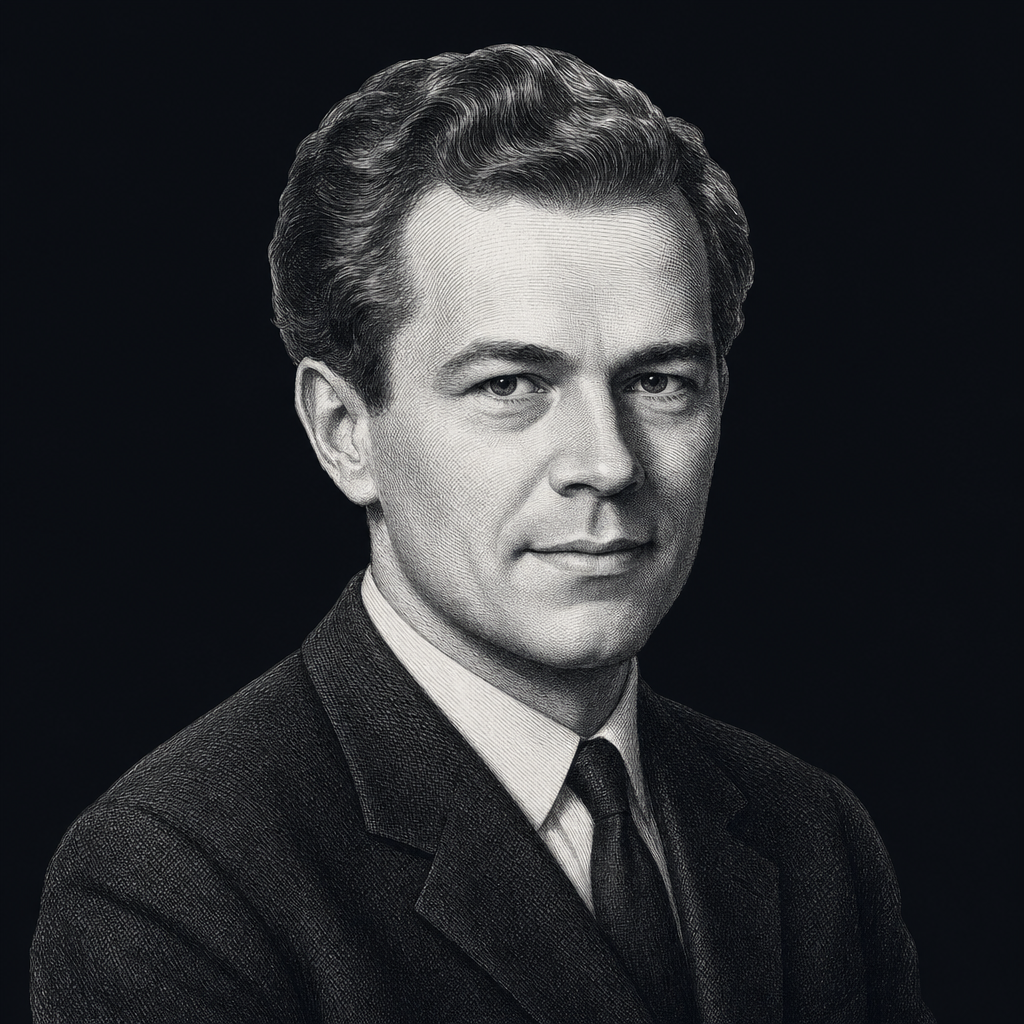
Jørgen Bent Larsen (4 March 1935 – 9 September 2010) was a Danish grandmaster and author, born in Tilsted near Thisted. For much of the 1960s and 1970s he was the strongest non-Soviet player in the world after Bobby Fischer, and at his peak in 1971 he was ranked world No. 3, behind only Fischer and Boris Spassky.
Larsen earned the grandmaster title in 1956 with a gold-medal performance on top board at the Moscow Olympiad, where he drew with World Champion Mikhail Botvinnik. A six-time Danish Champion, he qualified as a Candidate for the World Championship on four occasions, reaching the semifinal three times.
His most famous match defeats were at the hands of the very best: he lost his 1965 Candidates semifinal to Mikhail Tal, and in 1971 he was famously crushed 6–0 by Bobby Fischer in their Candidates match — one of the most one-sided results in elite chess history, though it says as much about Fischer's astonishing form as about Larsen.
Larsen was celebrated for his imaginative, unorthodox and deeply original style. He delighted in offbeat openings, most famously the flank opening 1.b3, which became so associated with him that it is known as the Larsen Opening (or Nimzo-Larsen Attack). He also favoured Bird's Opening (1.f4) and the English.
A gifted and witty writer, Larsen wrote widely on chess and was admired for his fighting spirit and refusal to take the safe, drawish path. He suffered from diabetes in later life and died in Buenos Aires in 2010 following a cerebral haemorrhage.
Playing style
Larsen was an imaginative, combative original who shunned theory and the well-trodden path. He sought unbalanced, double-edged positions from unorthodox openings, played boldly for the win, and trusted his own judgement over received wisdom.
Signature openings
The Larsen Opening / Nimzo-Larsen Attack (1.b3)Bird's Opening (1.f4)The English OpeningOffbeat defences as Black
Rivalries & key opponents
- Bobby Fischer
- Mikhail Tal
- Boris Spassky
Career highlights
- Grandmaster (1956), with Olympiad board-one gold at Moscow
- World No. 3 at his peak (1971)
- Six-time Danish Champion
- World Championship Candidate on four occasions (semifinalist three times)
- Winner of many major international tournaments through the 1960s and 1970s
- Gave his name to the Larsen Opening (1.b3)
- Black against Tal's celebrated knight sacrifice (Candidates 1965)
Famous games on BetterChess
Tal's Knight Sacrifice vs Larsen (1965)
Mikhail Tal vs Bent Larsen · 1965 · Alekhine Defence
Replay & play ›Fischer Crushes Larsen (1971)
Bobby Fischer vs Bent Larsen · 1971 · Sicilian Defence
Replay & play ›More players





Biographical summary compiled by BetterChess. BetterChess is a practice tool — we make no guarantee you'll reach 1800 or any rating.
PRINTED CHESS PUZZLE CARDS
Chess puzzle playing card decks
54 poker-size cards in a tuck box. Puzzle on the front, solution on the back.