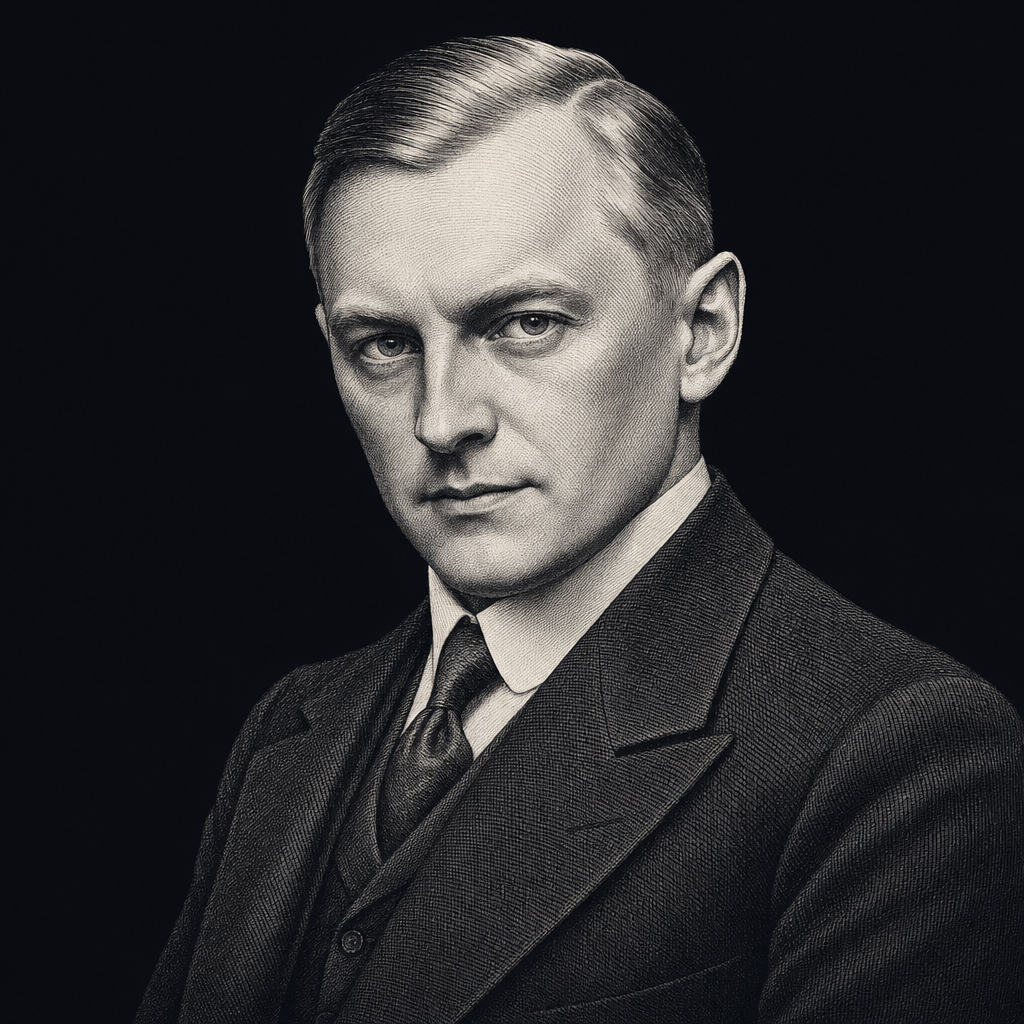
Stepan Levitsky
“Russian master and one-year national champion”
Winning the 1911 All-Russian Amateur title — and the Levitsky Attack (1.d4 d5 2.Bg5)
Born–died1876–1924
CountryRussia
Active erac. 1899–1913
TitleMaster
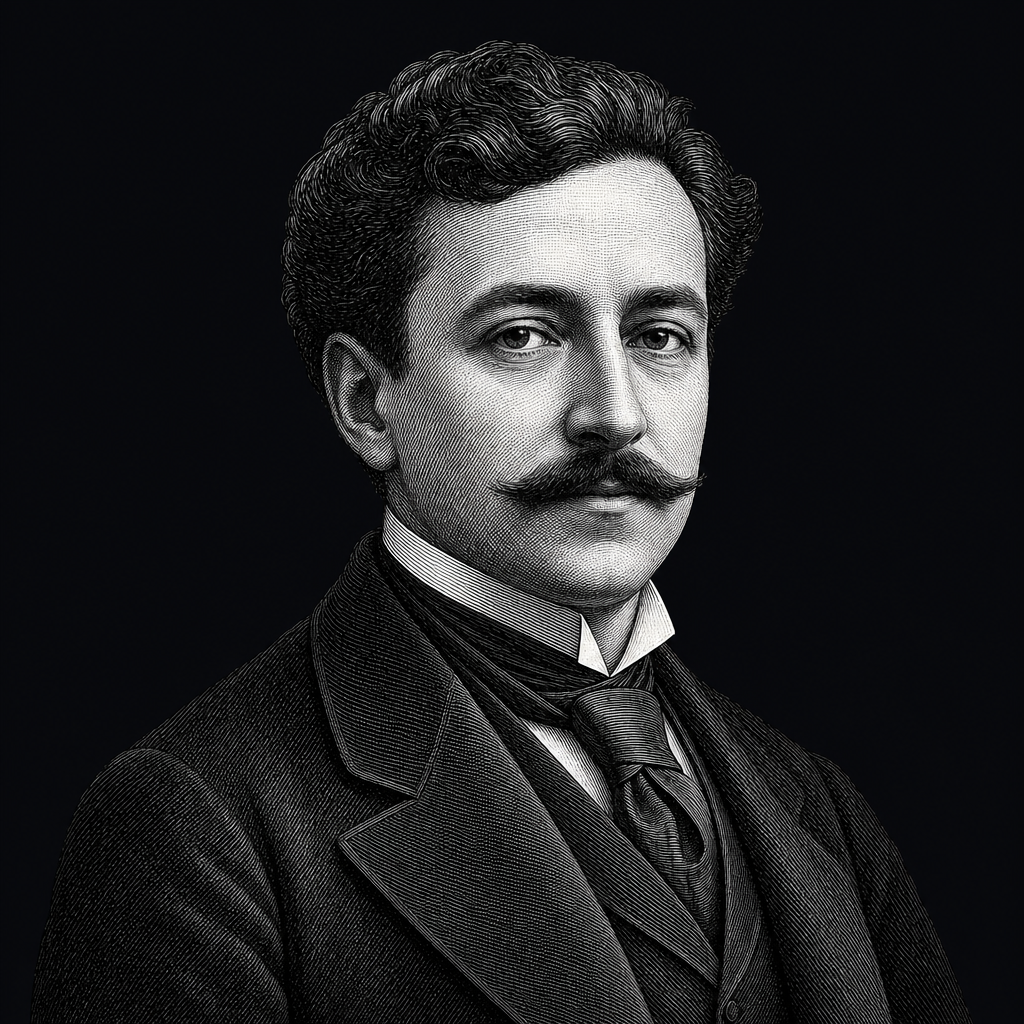
Stepan Mikhailovich Levitsky (25 April 1876 – 21 March 1924) was a Russian chess master, born in Serpukhov. He was a strong competitor in Russian chess during the early twentieth century, a generation that included Chigorin, Alekhine and Rubinstein.
He took third place at the first Russian Championship in Moscow in 1899, an event won by the great Mikhail Chigorin. His finest result came in 1911, when he won the All-Russian Amateur Tournament in Saint Petersburg, making him the Russian national champion for that year.
In 1913 he played a match against the rising Alexander Alekhine in Saint Petersburg, losing 3–7 to one of the future World Champions. His name lives on in opening theory through the Levitsky Attack, the line 1.d4 d5 2.Bg5 in the Queen's Pawn Game.
Levitsky died in 1924. To most chess players today he is remembered above all as the opponent on the losing end of one of the most celebrated moves ever played — Frank Marshall's 23...Qg3!! at Breslau in 1912.
That single game has given Levitsky a permanent, if unlucky, place in chess history: he was the man across the board when the spectators, by legend, threw gold coins onto the table in admiration of Marshall's queen sacrifice.
Playing style
A solid and capable master of the classical Russian school, comfortable in quiet positional openings such as the Queen's Pawn lines that carry his name.
Signature openings
Queen's Pawn GameThe Levitsky Attack (1.d4 d5 2.Bg5)
Rivalries & key opponents
- Alexander Alekhine
Career highlights
- 3rd place at the first Russian Championship, Moscow (1899)
- Won the All-Russian Amateur Tournament, becoming Russian champion (1911)
- Gave his name to the Levitsky Attack (1.d4 d5 2.Bg5)
- White in the famous 'gold coins' game (Levitsky–Marshall, Breslau 1912)
Famous games on BetterChess
More players







Biographical summary compiled by BetterChess. BetterChess is a practice tool — we make no guarantee you'll reach 1800 or any rating.
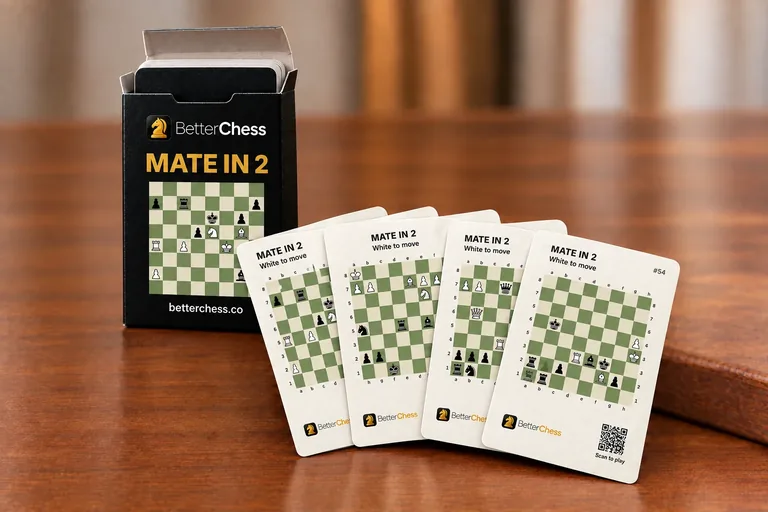
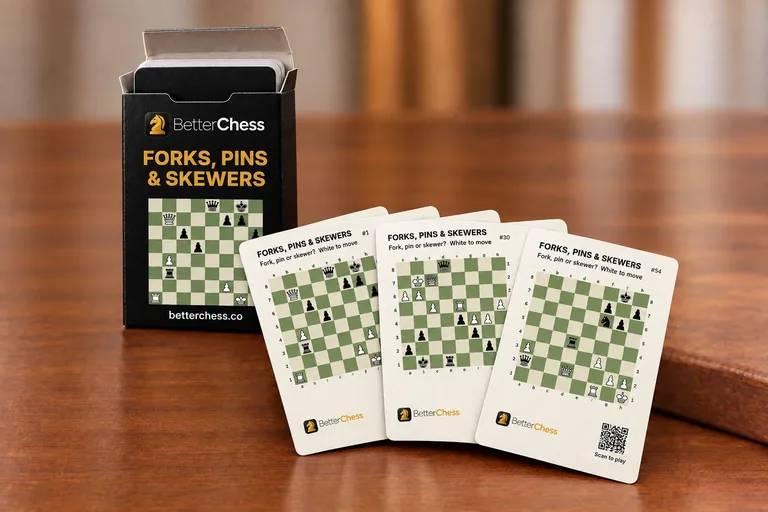
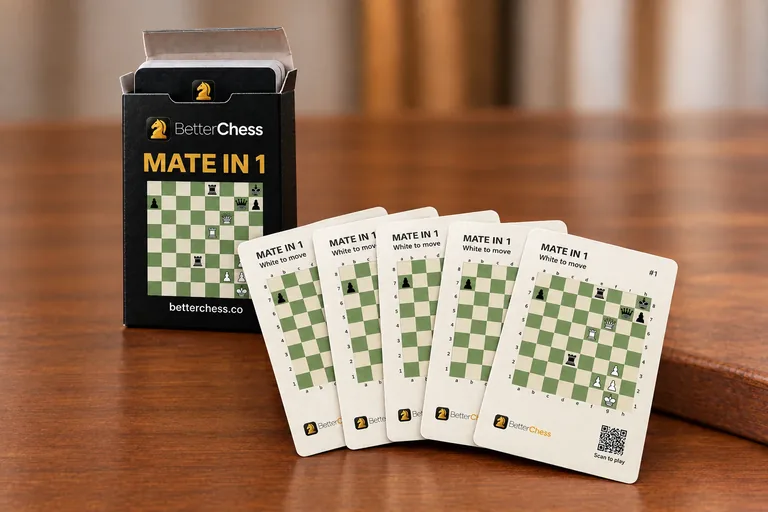
PRINTED CHESS PUZZLE CARDS
Chess puzzle playing card decks
54 poker-size cards in a tuck box. Puzzle on the front, solution on the back.